2026 Passport Rankings: 12 Countries Gained Visa‑Free Access, 9 Lost It
Discover which passports climbed the power ladder and which slipped this year, plus the real costs behind digital nomad schemes and lottery odds. Most guides gloss over fee volatility and hidden residency traps—this piece pulls the curtains back.
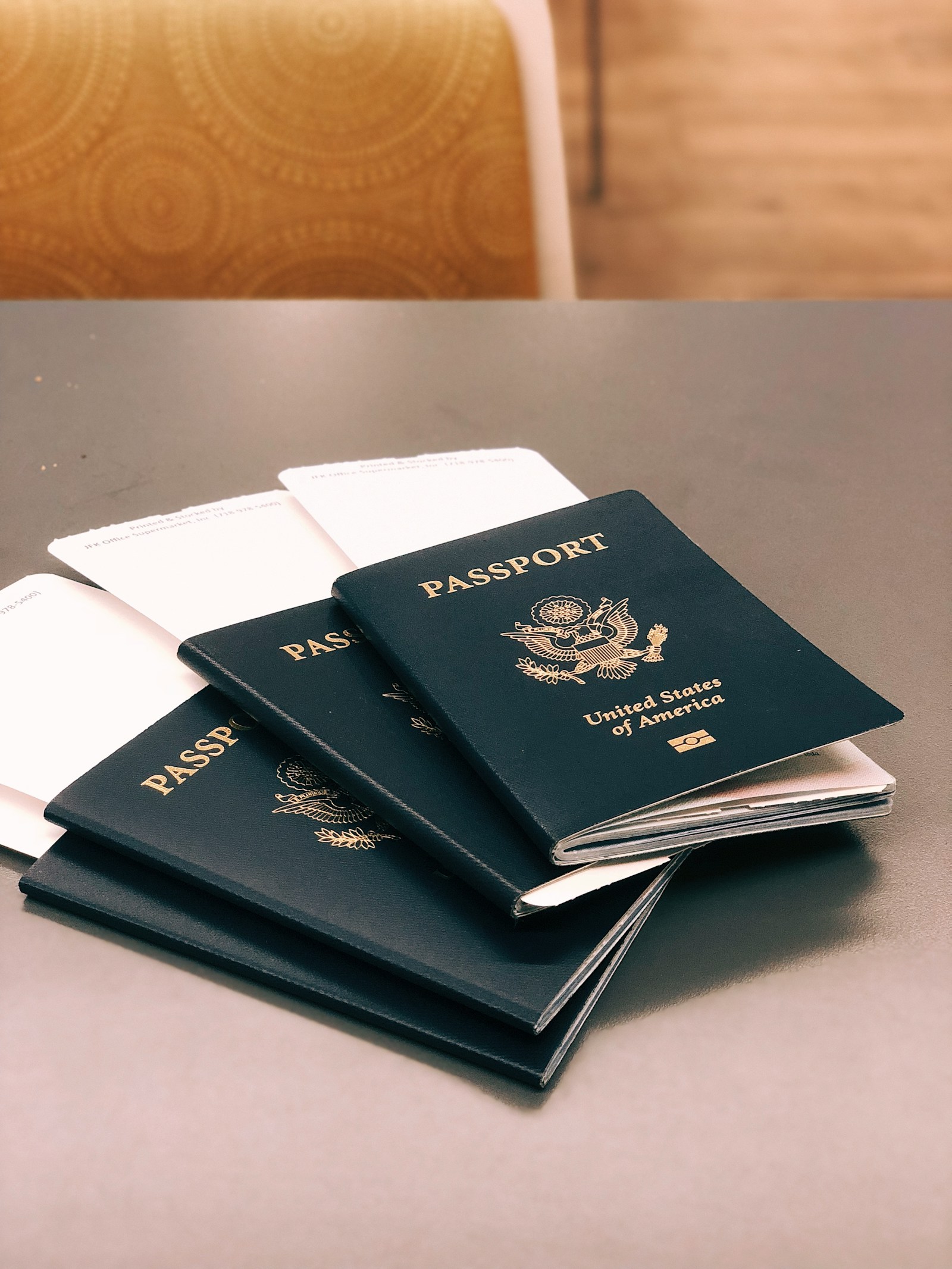
The headline numbers sound seductive, but every traveler knows that a single extra visa‑free country can offset a costly transit visa, while a sudden restriction can wreck a budget itinerary. In 2026 the balance shifted enough to make three‑digit passport scores a moving target, and the agencies promising “instant upgrades” are cashing in on that uncertainty.
Which passports actually added new visa‑free destinations?
Chile saw its list swell by five new agreements, most of them with small Caribbean states that opened reciprocal tourism corridors. The boost came after a trade pact that bundled consular cooperation with reduced customs inspections, turning a previously bureaucratic process into a click‑through form.
Poland’s diplomats secured a mutual waiver with two Eastern European nations, granting Polish citizens five‑day stays without a permit; the arrangement was sealed during a regional summit focused on labor mobility.
Malaysia, riding a wave of digital trade accords, added four Asian micro‑states to its roster, allowing stays of up to 30 days for business‑related visits. The new entries are tied to a joint e‑visa platform that validates passports in real time, eliminating the need for paper applications.
Which passports lost ground and why did the reversals happen?
South Africa’s visa‑free count dropped by three after a series of security alerts prompted neighboring countries to reinstate short‑term permits. The policy reversal was announced in a terse diplomatic note that warned of “increased fraud risk.”
Turkey experienced a two‑country loss when the EU tightened its Schengen entry criteria, citing irregular migration patterns. The affected EU members now demand biometric verification that Turkey’s current passport chips cannot yet provide.
Argentina’s score fell after a South American alliance introduced a “regional health pass” requirement; the pass depends on vaccination records uploaded to a proprietary portal that many Argentine consulates have yet to adopt.
How have lottery odds for popular work visas changed this year?
The United States Diversity Visa lottery reported a winning probability of roughly 1 in 250 for the 2026 cycle, a slight dip from the previous 1 in 220 due to an influx of applicants from emerging economies.
Canada’s Express Entry draws now allocate roughly 15,000 invitations across all categories, but the points threshold for the Federal Skilled Worker stream rose by eight points, effectively reducing the odds for candidates with modest language scores.
Australia’s Skilled Independent visa (subclass 189) maintained a cap of 13,500 per fiscal year, yet the invitation round frequency increased from quarterly to bimonthly, meaning applicants must monitor the Department of Home Affairs portal almost daily to avoid missing a chance.
What income thresholds and hidden fees accompany digital nomad visas?
Estonia’s e‑Residency‑linked nomad permit demands a minimum monthly gross income of €3,500, but the actual cost of compliance often includes a €120 health insurance contribution and a €200 processing surcharge.
Portugal’s D7 visa, popular among remote workers, sets a baseline of €7,200 annual income, yet the required proof of accommodation can add €800 to €1,200 in rental deposits that are refundable only after a two‑year stay.
Costa Rica’s Rentista program requires a bank guarantee of USD 24,000, while the consular fee ranges between ₡120,000 and ₡180,000 (approximately $210‑$315). Applicants frequently overlook the mandatory background check, which carries an extra charge of around $75.
Actionable steps to improve your passport’s utility without emptying your wallet
First, audit the visa‑free list of your current passport on the official government portal; the site updates quarterly, and outdated info can lead to denied boarding.
Second, consider applying for a second passport through ancestry programs; many European nations waive fees for descendants of former citizens, and processing times can range from six months to a year depending on document completeness.
Third, enroll in a reputable “visa‑free credit card” that flags your travel destinations and offers complimentary travel insurance, but beware of annual fees that can exceed $150 for premium tiers.
Fourth, allocate a contingency budget of 15‑20 % of the total expected travel cost to cover surprise embassy surcharges, such as expedited service fees that can double the standard rate.
Fifth, schedule embassy appointments during off‑peak hours—mid‑week mornings often have shorter wait times, reducing the hidden cost of lost work hours.
What to double‑check before handing over any money
Verify the official fee schedule on the embassy’s website; many consultants quote inflated amounts for “priority handling” that simply reflect a faster courier service.
Confirm that the required photographs meet the exact pixel dimensions; a single rejected image can add a day or two to the timeline and force a re‑payment of the submission fee.
Ensure that the bank statements you provide show the required income level for the entire review period; some authorities audit the six months preceding the application, not just the most recent month.
Cross‑reference the passport validity rule—most countries demand six months beyond the intended stay, and a miscalculation can invalidate an otherwise perfect itinerary.
Finally, request a written receipt for every transaction, because many fraudulent agencies disappear after receiving the initial deposit, leaving applicants with no recourse.
---
Keep reading
27 Schengen Nations You Can Enter Visa‑Free – 90‑Day Rule
Discover the exact Schengen roster for U.S. passports and the traps most guides overlook. Avoid hidden fees, scam consultants, and timing mistakes that derail a European stay.

Japan 2026 Passport: 190 Visa‑Free Nations & Hidden Costs
This guide lists every country a Japanese passport can enter without a visa in 2026 and exposes the fees that hide behind “free” travel. Most articles gloss over electronic authorizations, lottery odds, and residency traps that waste time and money.