170 Visa‑Free Spots for Argentines in 2026 – 5 New, 3 Restrictions
Learn the exact count of visa‑free destinations for Argentine passports and the five fresh entries that matter. Most guides miss regional blocks and hidden costs that can ruin a trip.
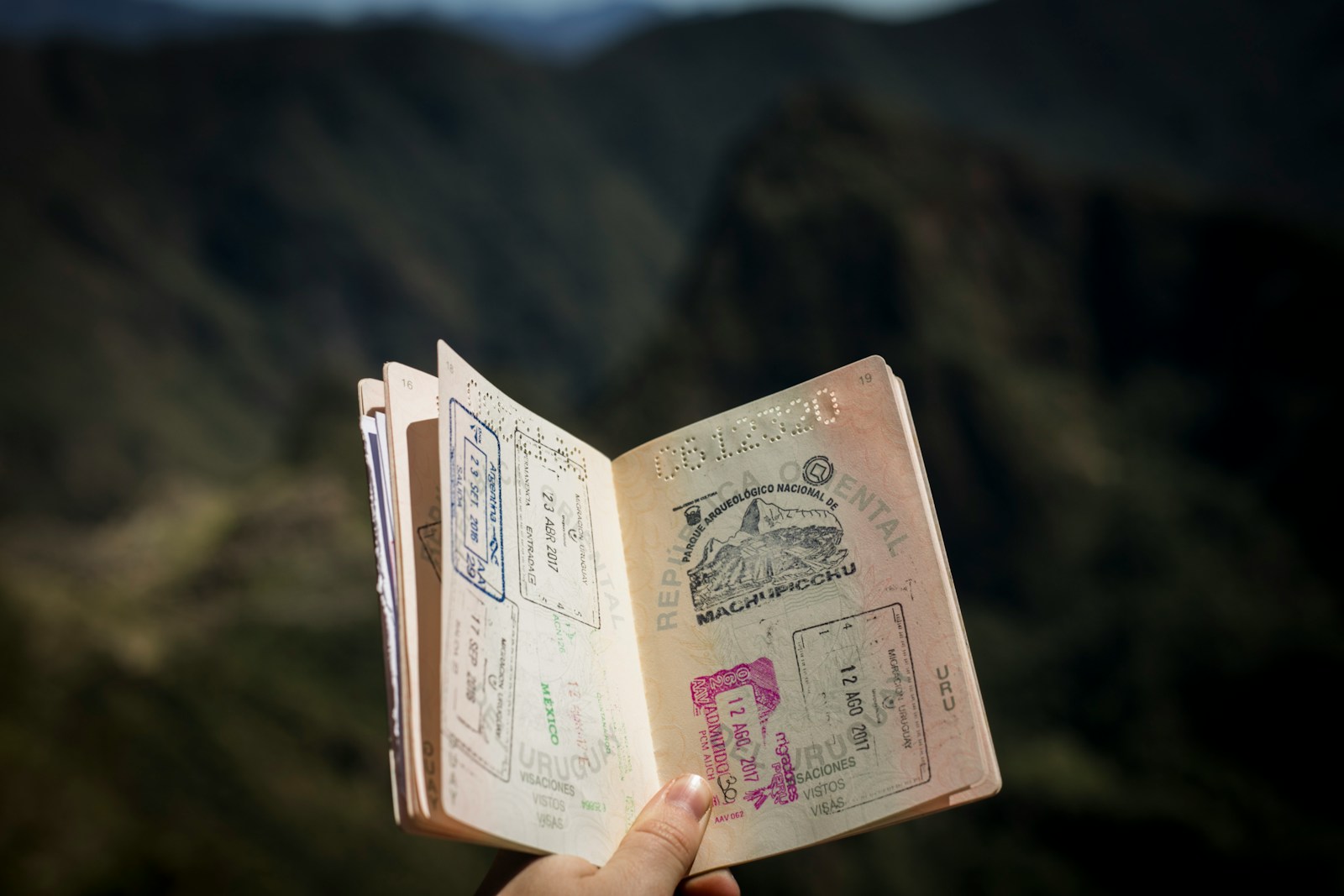
Imagine you hold a passport that opens doors to 170 countries, yet a single misstep can lock you out of three whole regions. The tension between the allure of spontaneous travel and the cold reality of income thresholds, processing queues, and outright scams is what separates a smooth border crossing from a costly nightmare.
Today the Argentine passport sits comfortably inside the top‑20 power rankings, granting outright entry to most of South America, the Caribbean, and large swaths of Africa and Asia. In 2026 five new nations—Georgia, Mauritius, Malaysia, Montenegro, and the Philippines—joined the visa‑free list, nudging the total to a record 170. Those additions look shiny on paper, but each comes with its own set of stay limits that can bite if you assume unlimited freedom.
Those three regional restrictions bite hardest: the Schengen zone caps Argentine stays at 90 days within any 180‑day window, the Gulf Cooperation Council allows only 30 days per visit, and the Caribbean Community (CARICOM) imposes a 60‑day limit for work‑related activities. Ignoring any of those calendars can trigger fines, deportation, or a permanent ban from re‑entering that bloc.
New entrants matter most for digital nomads chasing reliable internet and low cost of living. Georgia offers a “Remotely from Georgia” program that requires proof of €2,500 monthly income, while Malaysia’s “MM2H” long‑stay visa asks for a fixed deposit of RM 150,000 (about $34,000) plus a monthly salary of at least $2,500. Montenegro’s digital nomad permit caps the stay at one year and asks for a bank statement showing €5,000, whereas the Philippines’ 1‑year stay visa simply needs a monthly salary proof of $1,500 and a health clearance.
Income thresholds vary dramatically, so pinning down the cheapest viable option is a math exercise. The lowest bar sits at roughly $1,500 per month for the Philippines, while the highest sits near €5,000 per month for Montenegro. Most applicants end up budgeting between $2,000 and $3,000 monthly to keep options open across at least two of the new destinations, allowing flexibility if a local regulation flips mid‑year.
Official fees rarely reflect the true out‑of‑pocket cost. Consular processing for a Schengen short‑stay visa in Buenos Aires runs between €60 and €120, with an average turnaround of 10‑15 business days; however, peak summer months can stretch that to 4 weeks. Digital nomad permits in Malaysia charge a processing fee of RM 1,500 (≈$340) plus a mandatory insurance premium of RM 2,000. Georgia’s remote‑work visa costs a flat 100 lari (≈$30) and typically clears in 7‑10 days. These numbers are the baseline; add translation, courier, and optional expedited service and you’re looking at a 30‑50 % increase.
Scam artists exploit every gray corner of this ecosystem. Agencies that claim to “file for free” often slip a hidden convenience fee of $200‑$400 into the paperwork, then disappear when the form is rejected for a minor typo. Lottery‑style residency promises—especially those sold on social media for “guaranteed” outcomes—usually require an upfront payment of $1,000‑$2,500 for a “probability boost” that has no legal basis. The only legitimate lottery for Argentines is the U.S. Diversity Visa, which runs a strict random draw with no paid shortcuts.
Lottery odds for the U.S. Diversity Visa in the 2026 cycle sit around 1 in 1,200 for Argentine applicants, according to the State Department’s published statistics. Canada’s Express Entry system, while not a lottery, still filters candidates through a points grid where most Argentine professionals land in the 350‑400 range, short of the 470 threshold needed for an invitation. Understanding these numbers prevents you from pouring money into a pipe that doesn’t exist.
Realistic strategies focus on timing and document hygiene. Submitting the Diversity Visa entry the moment the October window opens eliminates the risk of a last‑minute server crash. For Express Entry, securing a certified language test score at least six months before the draw gives you room to improve your IELTS or CELPIP results, which can add up to 30 points. Double‑checking that every translation is notarized and that your passport has at least six months of validity before any application deadline removes the most common cause of instant denial.
Step one in any plan is to digitize every relevant record: passport scan, bank statements, employment letters, and tax returns. Step two is to open a dedicated email address solely for immigration correspondence; most consulates flag mixed‑purpose inboxes as spam. Step three involves booking a reputable translation service—often a local notary public—because most embassies reject machine‑generated PDFs.
Budget considerations differ by destination, but a safe range for a full application package sits between $500 and $1,200 in local currency. The low end covers a single‑entry Schengen visa, basic translations, and a standard courier. The high end includes a digital nomad permit in Malaysia, an expedited medical exam, and a professional photographer for biometric photos. Adding a contingency fund of 15‑20 % protects you against unexpected embassy fees or last‑minute document requests.
Before you hand over any cash, verify the official government portal for the country you’re targeting. Most embassies publish a PDF checklist that lists every required form, fee, and processing timeline. Cross‑reference that list with the payment instructions on the same page; any deviation—especially a request to pay via Western Union or crypto—should raise immediate alarms.
Verify that the contact you’re speaking to holds a valid accreditation number, which you can usually find on the embassy’s website. A legitimate consular officer will never ask you to pay for a “priority” slot that isn’t listed in the official fee schedule. If a consultant insists that a fee is “non‑negotiable” because they’re the only ones who can file it, walk away and save the money for the actual government charge.
Keep reading

Turkey e‑Visa: Pay ‑ Get In 48 hrs—Avoid 5 Costly Mistakes
Learn which passports qualify, the real fee structure, and the hidden pitfalls most guides skip. Avoid scams and common errors that can turn a simple e‑Visa into a costly ordeal.

Southeast Asia Visa Runs: Stay 30‑90 Days Cheaply
You’ll learn which countries still let you hop borders for cheap extensions and the realistic time limits each imposes. Most guides gloss over exit taxes, hidden broker fees, and the shrinking tolerance that turns a “visa run” into a costly gamble.
How to Buy a Passport Without Wasting K or Waiting 10 Years
Learn which buy‑citizenship schemes actually deliver a visa‑free passport and how long they really take. Most guides hide fee traps and unrealistic timelines; this article pulls the curtain back.