How to Buy a Passport Without Wasting K or Waiting 10 Years
Learn which buy‑citizenship schemes actually deliver a visa‑free passport and how long they really take. Most guides hide fee traps and unrealistic timelines; this article pulls the curtain back.
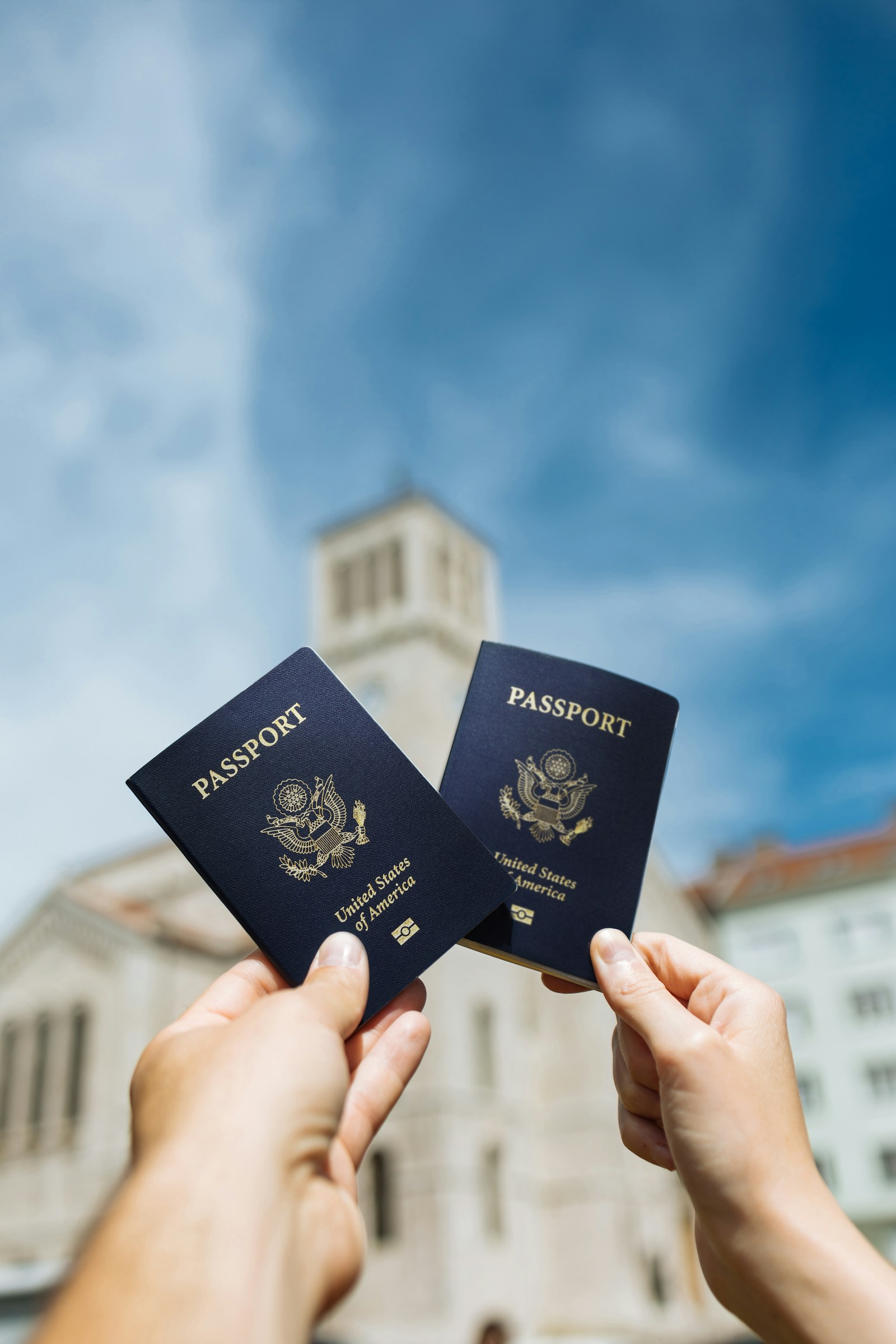
Money talks louder than any travel brochure, and the first rule of buying a passport is that the price tag never matches the headline. Governments publish a base donation or real‑estate figure, but the final bill often balloons with due‑diligence, legal counsel, translation, and a mandatory travel visit that can add another 10‑30 percent.
Can you really buy a passport? The short answer is yes, but only if a sovereign state has codified an investment‑by‑citizenship (IBC) programme in its statutes. Those statutes are public, published on official ministry sites, and they spell out the minimum contribution, the background‑check fees, and the rights that come with the new document. Anything sold outside that framework is either a residency shortcut or a outright scam.
Most people conflate “residency for tax purposes” with “full‑blown citizenship”, and the confusion fuels the market for fake agents. A genuine IBC route grants you a passport that appears in the Henley Passport Index, while a long‑term visa only lets you stay for a set number of days each year. The legal distinction determines whether you can work abroad without a work permit or simply lounge in a hotel tax‑free.
Take a look at the programs that consistently appear in the top‑20 passport power rankings. St. Kitts & Nevis and Dominica offer a single‑payment donation ranging from €150 000 to €200 000, with an optional real‑estate route that starts around €200 000. Malta’s Individual Investor Programme demands a total outlay between €600 000 and €1 million, split across government contribution, property purchase, and a five‑year residence period. Turkey’s fast‑track option sits near $400 000, while Vanuatu’s “citizenship by contribution” can be secured for as little as $130 000. All of these have published processing windows of three to six months once the dossier is complete.
If you’re hoping for a rapid turnaround, the official timelines are worth memorising. Most Caribbean programmes promise a decision within 90 days after the interview, but the interview itself is mandatory and often scheduled weeks after payment. European schemes such as Portugal’s Golden Visa take 12‑18 months to move from residence permit to citizenship eligibility, because the law requires a minimum five‑year stay before you can apply. Montenegro’s recent program, now paused, used a 12‑month residency before a citizenship vote. Ignoring these statutory waiting periods is the fastest way to waste both cash and patience.
Applicants frequently chase the U.S. Diversity Visa lottery, dreaming of a 5‑10 percent chance of drawing a green card, only to discover that the lottery does not grant a passport and the odds shrink dramatically once you factor in eligibility filters. Caribbean lotteries that promise “instant citizenship” are usually fronts for brokers who charge $5 000‑$10 000 for a form that you can download for free from the government portal. The real success rate for a clean application on a reputable IBC scheme exceeds 90 percent, provided you meet the financial and clean‑record thresholds.
Residency pathways that culminate in citizenship deserve a separate look because they blend investment with a genuine stay. Portugal’s Golden Visa requires a €350 000 real‑estate purchase in a low‑density area, or a €280 000 capital transfer into a qualified fund, plus a minimum of seven days on Portuguese soil each year. After five years you can apply for naturalisation, and the passport lands you in the Schengen zone with visa‑free access to 190 countries. Greece offers a €250 000 property route, but the citizenship step arrives only after seven years of continuous residence, making it a slower but still legal avenue.
Digital nomad visas have exploded since 2020, yet many promoters inflate the income requirement to a “high‑net‑worth” level that never existed in the original decree. The actual thresholds range from $30 000 USD per year in Estonia to $100 000 USD in the United Arab Emirates, with a few Caribbean islands asking for a bank statement showing $50 000 USD held for six months. Most programs demand health insurance and a clean criminal record, but they do not require a permanent investment, which keeps the upfront cost under $5 000 in most cases.
Action steps for anyone considering a purchase are simple but often skipped. First, download the official application packet from the country’s immigration website and read every line; the fee schedule is always in the annex. Second, open a local bank account in the target country to satisfy the proof‑of‑funds requirement; many programs reject offshore statements. Third, schedule the mandatory interview well in advance, because consular slots fill up months ahead, especially for Caribbean nations.
Cost breakdowns are easier to understand when you separate government fees from ancillary expenses. Government contributions sit in the ranges mentioned above, while due‑diligence providers charge €5 000‑€15 000 based on the depth of the background check. Legal representation typically runs €3 000‑€8 000 for a full‑service package, and translation of documents can add another €1 000‑€2 000. Travel for the interview, plus accommodation, usually costs $1 000‑$2 500 depending on the location. Adding a modest contingency of 10 percent protects you from unexpected notarisation fees.
Avoid consultants who promise “guaranteed approval” for a flat fee of $2 000‑$5 000. No one can guarantee a passport when the government retains the final say, and any claim to the contrary violates consumer‑protection laws in most jurisdictions. Beware of “lottery tickets” sold for $1 000 that claim to increase your odds in a random draw; the U.S. Diversity Visa does not sell such products, and the same applies to Caribbean programs that use the word “lottery” as a marketing gimmick. Always verify that the agent is registered with the official embassy or consulate, and cross‑check their license on the government’s website.
Before you hand over any money, compile a checklist that includes the official fee table, the list of required documents, the exact bank‑transfer details (including SWIFT codes), and the cancellation policy for each service provider. Confirm that the payment portal uses a secure https connection and that the recipient’s account name matches the ministry’s treasury name; scammers often copy a legitimate account number but alter the beneficiary. Finally, ask for a written quote that itemises every charge, and compare it with at least two other reputable firms to spot outliers.
Now double‑check the passport’s actual travel power before you sign the final contract. The Henley and Arton indexes are updated quarterly and list the exact number of visa‑free destinations; a passport that ranks 50th today might drop to 70th if geopolitical tensions shift. Also verify whether the new citizenship imposes any dual‑nationality restrictions; countries such as Austria and Japan require you to renounce the original passport, which can nullify the whole purpose of the investment. A quick phone call to the consular section can save you months of legal entanglement.
Finally, remember that buying a passport is a financial decision, not a shortcut to freedom. When you separate hype from the hard data—fee ranges, processing windows, and transparent success rates—you’ll avoid the traps most guides gloss over and walk away with a document that actually expands your horizons.
Keep reading
Avoid Scams: Real Visa‑on‑Arrival Rules for Indian Passports
Learn which on‑arrival visas truly exist for Indian citizens and why most guides overpromise. Spot the fees and timelines most consultants hide.
2026 Passport Rankings: 12 Countries Gained Visa‑Free Access, 9 Lost It
Discover which passports climbed the power ladder and which slipped this year, plus the real costs behind digital nomad schemes and lottery odds. Most guides gloss over fee volatility and hidden residency traps—this piece pulls the curtains back.
27 Schengen Nations You Can Enter Visa‑Free – 90‑Day Rule
Discover the exact Schengen roster for U.S. passports and the traps most guides overlook. Avoid hidden fees, scam consultants, and timing mistakes that derail a European stay.