Avoid Scams: Real Visa‑on‑Arrival Rules for Indian Passports
Learn which on‑arrival visas truly exist for Indian citizens and why most guides overpromise. Spot the fees and timelines most consultants hide.
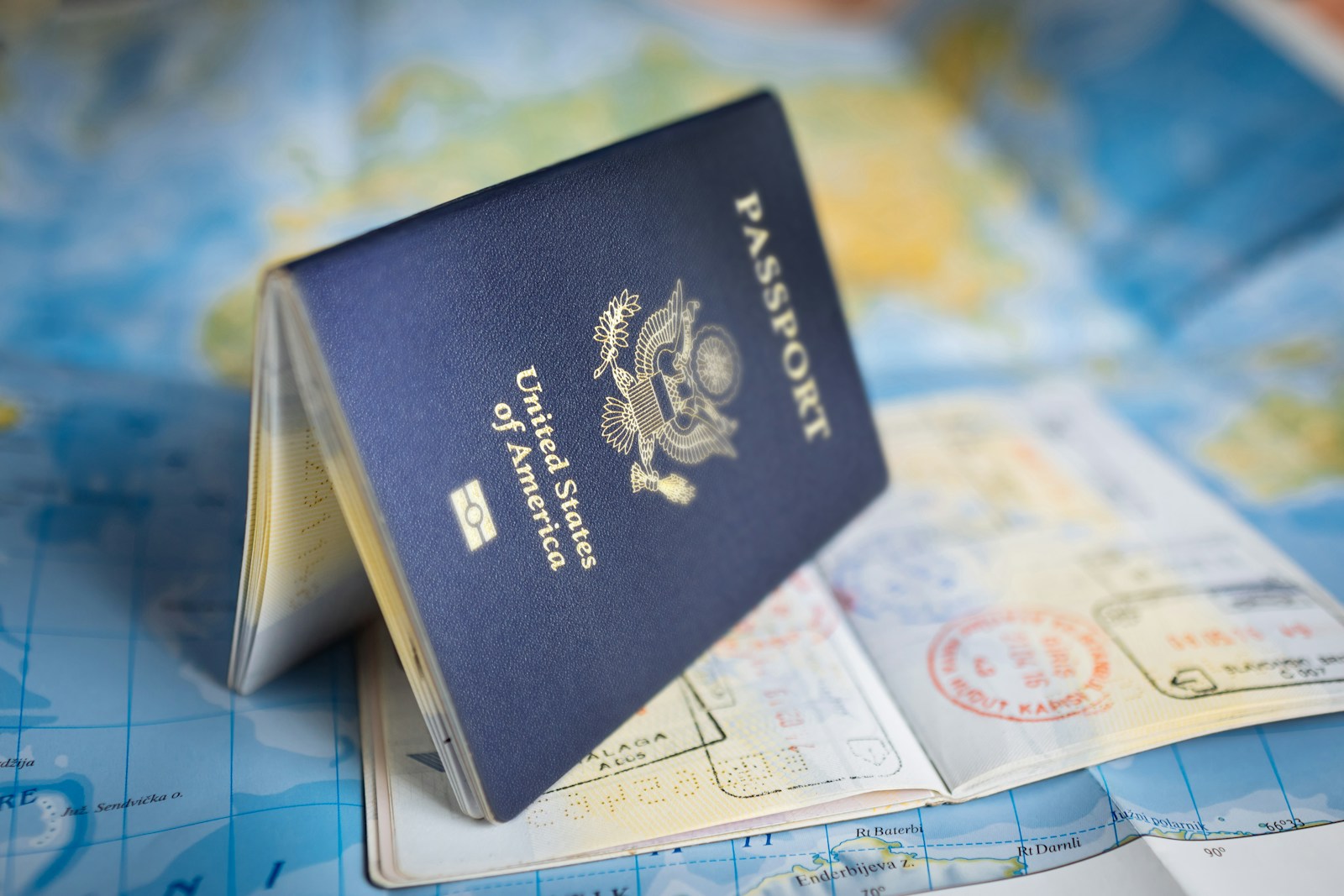
Travelers with Indian passports chase the promise of “visa on arrival” like it’s a free ticket to wander. The reality is a maze of airport kiosks, hidden taxes, and airline‑policy twists that can drain a modest budget before the first flight lands.
Which nations actually hand you a stamp at the gate?
Thailand, Nepal, Maldives, and Kenya are often cited, yet each imposes a separate condition that trips up first‑timers. Thailand’s entry requires a 15‑day tourist visa that costs roughly 2,000 THB, payable at the customs desk, and the allowance drops to 30 days only if you arrive on a direct flight from a listed carrier.
In Nepal, the fee sits at about 2,000 NPR for a 150‑day stay, but a recent policy change now demands proof of a return ticket and a minimum bank balance of 50,000 INR, a detail omitted from many cheat sheets.
The Maldives grants a 30‑day stay for free, yet the airport imposes a “tourist tax” of roughly 30 USD per person, collected in cash, and the amount is not refundable if you extend your visit through a local agency.
Kenya’s visa‑on‑arrival costs around 5,000 KES, but the price jumps to double for travelers whose flight lands after 10 p.m., because the on‑site office closes and a night surcharge applies.
All other destinations that appear on generic lists either require an e‑visa in advance or have suspended the service for Indian nationals until diplomatic clearance is secured.
What hidden fees turn a “free” visa into a costly surprise?
Airport kiosks often add a processing surcharge that can equal 20 % of the advertised fee, especially at high‑traffic hubs like Dubai where Indian travelers are funneled through a separate counter.
Airlines sometimes charge a “visa handling” fee ranging from $30 to $80, deducted from the ticket price, and the charge appears under a vague “service fee” line that most passengers overlook.
Some countries demand a health insurance premium of at least $25 per day for the duration of the stay, which you must present at immigration; failure to produce it results in immediate denial and a forced return flight.
Local tourism boards may request a contribution to a “conservation fund” of about $10 per traveler, payable in the destination’s currency, and the receipt must be shown at the exit checkpoint to avoid a fine.
Can you outsmart the embassy interview and still walk out with a stamp?
A common myth is that flashing a well‑crafted itinerary guarantees a visa on arrival. In practice, officers compare your flight details with the airline’s passenger manifest, and any mismatch triggers a secondary interview at the consular desk.
Showing proof of accommodation that is booked through a major OTA often passes the initial check, but hidden “host‑family” arrangements can be flagged for fraud if the address cannot be verified within 24 hours.
Applicants who mention a side business or remote work tend to be asked for bank statements covering the previous six months; providing a screenshot of a mobile‑app balance is rarely accepted, and the officer may request a notarized document instead.
Attempting to bribe the officer, even with a subtle gift, backfires in countries with zero‑tolerance policies, leading to a five‑year ban that appears on the passport’s biometric record.
Do digital‑nomad visas really need a six‑figure income?
Countries such as Estonia, Portugal, and Barbados advertise a “digital nomad” pathway, yet the income thresholds vary widely. Estonia asks for a minimum monthly net income of €3,500, which translates to roughly 3 lakh INR, while Portugal’s requirement sits at €2,800 per month, a figure that can be demonstrated with a single‑page bank extract.
Barbados sets the bar at $50,000 annual earnings, but the proof can be a contract letter from a foreign employer, not necessarily a bank statement, reducing the paperwork burden.
In contrast, Georgia’s “Remotely from Georgia” program only needs a monthly income of $2,000 and accepts a PayPal receipt as evidence, making it a more accessible option for freelancers.
All three programs charge an application fee between 150 USD and 300 USD, payable in the local currency, and processing times range from two weeks to two months, depending on the volume of applications.
How likely is the visa lottery and what does a win really buy?
The United Arab Emirates runs a limited “Visa Lottery” for Indian entrepreneurs, offering 1,000 slots annually. Historical data suggests a success rate of roughly 0.2 %, meaning one applicant out of five hundred clears the draw.
Winning the lottery grants a renewable three‑year multiple‑entry visa, but it does not automatically confer residency rights; you must still register with the local immigration office within 30 days and pay a registration levy of about 1,000 AED.
The lottery also requires a business plan vetted by a UAE‑based incubator, and the evaluation fee can climb to 5,000 AED if you engage a consulting firm, a cost many hopeful participants overlook.
Even after securing the visa, the holder must maintain a minimum monthly spend of 10,000 AED on local services to avoid revocation, a clause that turns the prize into a financial commitment.
Action plan: steps, fees, and timelines you can actually budget for
1. **Identify the destination** – Cross‑check the official immigration website for the latest on‑arrival status; avoid third‑party blogs that haven’t been updated in two years.
2. **Calculate total cash needed** – Add the base visa fee, airport surcharge (≈ 15 % of base), airline handling charge, mandatory insurance premium, and any local tax. For a 30‑day Maldives trip, the sum typically lands between $120 and $180.
3. **Secure proof of funds** – Obtain a bank statement stamped within the last week, showing at least twice the visa fee for the chosen country; this satisfies most immigration officers without extra documentation.
4. **Book a refundable flight** – Choose a carrier that offers a 24‑hour cancellation window; the refundable portion can be redirected to cover unexpected airport fees.
5. **Purchase travel insurance** – Opt for a plan that covers COVID‑19 treatment and repatriation; the premium usually ranges from $10 to $20 per day, and the policy number must be printed for immigration inspection.
6. **Set aside contingency cash** – Keep an extra 10 % of the estimated total in the destination’s currency; this buffer handles night‑time surcharges or sudden tax hikes.
Processing timelines differ: Thailand and Maldives issue the stamp instantly, while Kenya may require a 48‑hour verification period. Digital‑nomad visas need two to six weeks, and lottery results are announced quarterly.
Before you hand over cash, double‑check these three things
- Verify the visa‑on‑arrival status on the government portal, not on travel forums, to avoid outdated information.
- Confirm the exact amount of any airport or airline surcharge by calling the carrier’s customer service line directly.
- Ensure the refund policy of your flight and accommodation aligns with the visa’s validity period, preventing a stranded situation if entry is denied.
By cutting through the hype and matching each requirement with a concrete number, you can travel with confidence instead of watching your savings evaporate at the customs desk.
Keep reading
2026 Passport Rankings: 12 Countries Gained Visa‑Free Access, 9 Lost It
Discover which passports climbed the power ladder and which slipped this year, plus the real costs behind digital nomad schemes and lottery odds. Most guides gloss over fee volatility and hidden residency traps—this piece pulls the curtains back.
27 Schengen Nations You Can Enter Visa‑Free – 90‑Day Rule
Discover the exact Schengen roster for U.S. passports and the traps most guides overlook. Avoid hidden fees, scam consultants, and timing mistakes that derail a European stay.

Japan 2026 Passport: 190 Visa‑Free Nations & Hidden Costs
This guide lists every country a Japanese passport can enter without a visa in 2026 and exposes the fees that hide behind “free” travel. Most articles gloss over electronic authorizations, lottery odds, and residency traps that waste time and money.