Avoid the 2% Disqualification Rate: Fill the DV Form Correctly
Learn the exact mistakes that nullify a Diversity Visa entry and how to dodge the scams that prey on hopeful applicants. Most guides skip the tiny details that turn a free submission into a permanent rejection.
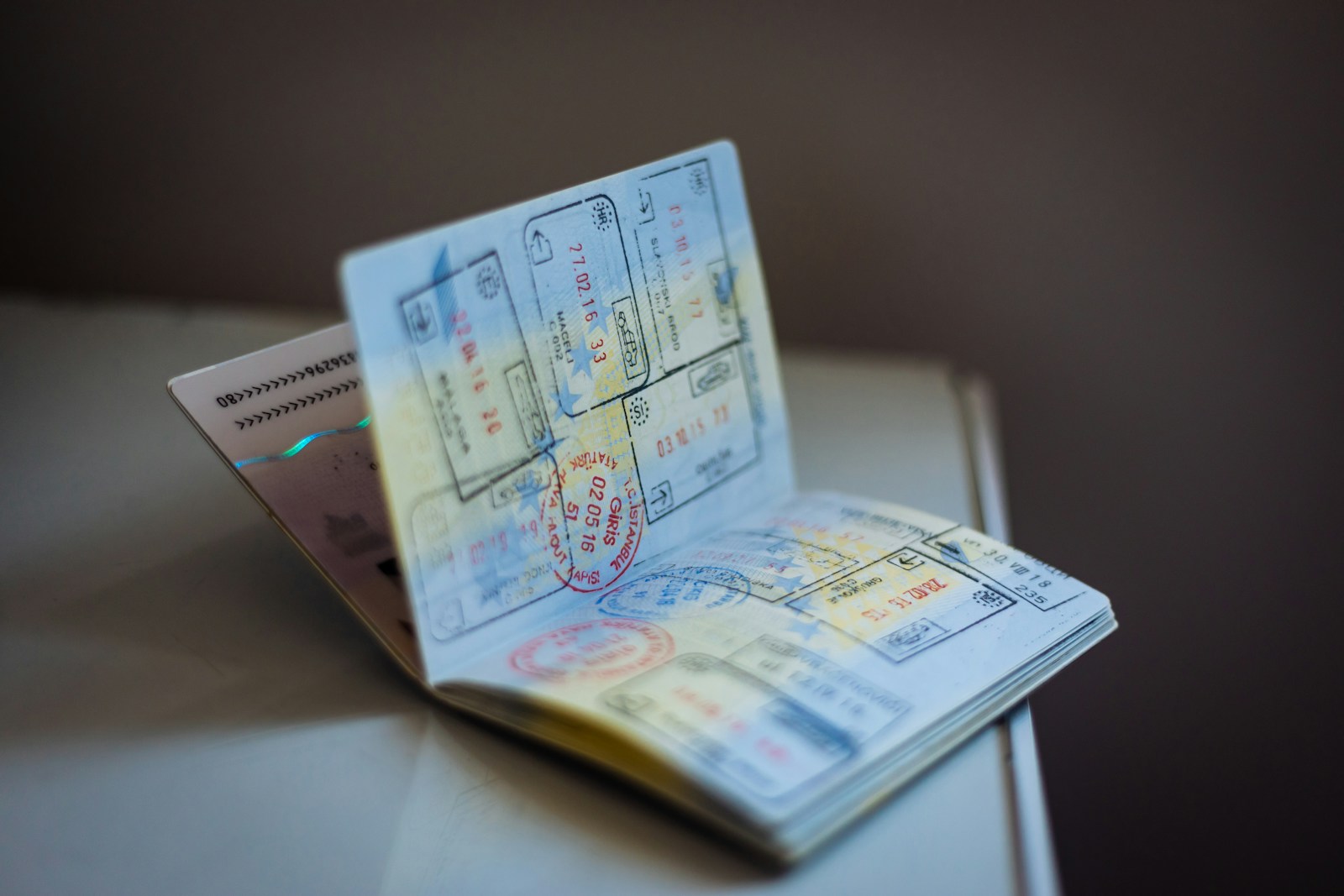
Every November, millions of hopefuls type their names into a free online form, hoping the algorithm will whisk them to a green card, but a single mis‑typed digit can erase that chance in an instant.
The headline odds—about 1 in 300 for a single entry—mask a deeper reality that few sites explain. The Department of State publishes a final selection number, yet the pool shrinks dramatically once the system filters out entries that breach any of the ten eligibility boxes before the lottery even begins. Understanding that pruning reveals why “high odds” claims are often smoke.
Most calculators ignore the fact that the system discards entries with even the smallest formatting error. A stray space after a hyphen, an unsupported apostrophe, or a non‑Latin character triggers an automatic “incomplete” flag, and the entry never reaches the random draw. The penalty is swift: the applicant is silently removed, never to hear the good news.
A photo that fails the 2‑inch square rule triggers an automatic reject. The image must be taken within the last six months, show a neutral expression, and display a plain white background; any shadow or visible hairline border will cause the upload to bounce back with a cryptic error code. Using a free validator before you click “Submit” saves a day‑long re‑entry cycle.
Even a stray hyphen in a maiden name creates a mismatch that the system flags as a duplicate. The DV form pulls the exact string from the passport; if the passport lists “Maria‑Luisa” but you type “Maria Luisa,” the backend treats it as two distinct records, then eliminates both for violating the single‑submission rule. Consistency across every field is non‑negotiable.
Digital nomad visas have become the flashy alternative, yet their income bar ranges from $45,000 in Portugal to $100,000 in the United Arab Emirates. Those programs demand proof of recurring earnings, often verified by bank statements, tax returns, or client contracts, before the visa is even granted. Applicants chase the high‑pay promise without realizing the paperwork load can rival a full work permit.
The DV lottery, by contrast, does not demand proof of earnings before selection; the only financial hurdle appears after you win, when you must convince the consular officer you won’t become a public charge. A modest savings balance—often as low as $5,000 plus a job offer or a sponsor’s affidavit—satisfies the requirement, meaning the lottery remains the most accessible path for low‑income hopefuls.
At the embassy, the officer’s first question is rarely about your résumé; it’s about the exact wording you entered on the DS‑260. A mismatch between the name on the confirmation page and the passport spelling, even in capitalization, can prompt a “document discrepancy” denial that forces you back to the drawing board. Memorizing the exact strings you typed saves you from that trap.
If you bring a printed copy of the confirmation page, a passport with a blank visa page, and a bank statement that shows a steady $5,000 monthly inflow, the interview often ends with a smile. Officers appreciate a tidy folder that mirrors the checklist; missing a single translation or forgetting to notarize a foreign marriage certificate can extend processing by months.
From the moment you hit “submit” in early November, the clock ticks toward the March lottery draw, which the State Department announces on its website. Winners receive an electronic notification in May, and the consular appointment window opens shortly after, typically lasting 90 days before the fiscal year ends in September.
Those who get selected face a fee ladder: a $330 immigrant visa application, a $220 biometric capture, and optional courier charges that can climb to $150 depending on the country. Medical exam costs vary wildly—$100 in some Southeast Asian clinics, up to $400 in Western hospitals—so budgeting a range of $350‑$800 after selection is prudent.
Step one: capture a passport‑compliant photo using a free online validator; the tool will reject any background that isn’t plain white. Step two: copy every field verbatim from your passport, paying special attention to the middle‑name slot—leave it blank if your passport omits it, otherwise a stray space will invalidate the entry. Step three: submit the form only once, using a reliable browser that disables auto‑fill; a second submission, even if you think the first crashed, instantly voids both. Step four: after the March results, download the official selection letter, then budget $350‑$600 for the DS‑260 filing, translation of any foreign documents, and the mandatory medical exam. Step five: schedule the embassy appointment within the 90‑day window, bring originals of every document listed on the instruction sheet, and arrive 15 minutes early to avoid the dreaded “no‑show” penalty.
Before you wire any money, verify the URL ends in .gov and that the site’s SSL certificate displays a green padlock. A final glance at the checklist—photo specs, passport number, and single‑submission confirmation—will catch the 99% of errors that cost applicants a whole year of waiting.
Keep reading
Why Scams Target Free DV Lottery Applicants
Learn how to dodge the fake agencies that charge for a process that costs nothing. Most guides ignore the hidden fee traps and the fine print that turn a free entry into a $2,000 bill.
Why Brazil & Nigeria win the DV lottery – odds, tricks & costs
Learn which nations dominate the Diversity Visa draws and the concrete reasons behind their success. Most guides skim the statistics and hide the real expense traps.
Why 80% of DV Photos Get Rejected – Avoid the Costly Mistake
You’ll learn the exact photo pitfalls that erase a Diversity Visa entry before the lottery even starts. Most guides gloss over pixel size and background nuance, leaving applicants to waste fees and hope.