Why Scams Target Free DV Lottery Applicants
Learn how to dodge the fake agencies that charge for a process that costs nothing. Most guides ignore the hidden fee traps and the fine print that turn a free entry into a $2,000 bill.

The U.S. Diversity Visa lottery promises a chance at a green card without any filing fee, yet inboxes overflow with offers that demand hundreds or even thousands of dollars for “premium” handling. Between a misleading promise of higher odds and a request for upfront cash, applicants often trade a free entry for a bill they never saw coming.
Why do scammers charge for something the U.S. government gives away for free?
Official instructions state that the electronic entry form is hosted on a .gov domain and that no payment is required at any stage before a selection notice. The government’s only charge appears after a successful draw, when the applicant pays the standard immigrant visa fee at the embassy.
Scam operators exploit the unfamiliarity of first‑time applicants, sending polished PDFs that claim a “guaranteed” win for a price ranging from $500 to $2,500. They hide the fact that the official process never involves a payment until after the lottery results are published in May.
What are the actual DV lottery odds versus the hype?
The State Department releases a yearly quota of 55,000 visas, but the number of entries typically exceeds 12 million, resulting in a raw success rate near 0.45 %. For most high‑population countries the odds dip to roughly one in 300, while nations with low applicant volumes can see chances as high as one in 30.
Many paid services advertise a “30 % success rate” by cherry‑picking countries with historically better odds, then applying that figure to all applicants regardless of nationality. This statistical sleight of hand inflates expectations and justifies their fees.
A concrete example: in the 2025 lottery, applicants from Bangladesh faced an approximate 0.4 % chance, yet some consultants advertised a 20 % guarantee, a claim that vanished once the official results were posted.
Which digital nomad visas really meet the income threshold?
Countries such as Portugal, Costa Rica, and Estonia have launched digital‑nomad programs that require proof of monthly earnings between $2,500 and $5,000. The exact figure varies by jurisdiction and may be calculated on a 12‑month average rather than a single paycheck.
Portugal’s “D7” route demands a minimum of €7,200 per year for a single applicant, but the tax authority also expects proof of health insurance and a local bank account, adding hidden administrative steps. Costa Rica asks for $2,500 monthly, yet the government requires a three‑month bank statement, not just a contract letter.
Agencies that promise “instant residency” for $1,200 often overlook the need to submit original tax returns, which can double the paperwork and delay approval by several weeks.
How can you avoid interview pitfalls that cost you a denied stamp?
Consular officers focus on consistency between the electronic entry and the documents presented at the interview. A common mistake is submitting a PDF copy of a passport that shows a different name spelling than the one entered online.
Bringing the original, government‑issued birth certificate, a notarized translation if needed, and the exact receipt from the visa‑application fee prevents the officer from flagging a missing piece. Even a minor discrepancy in the travel history section can trigger a secondary review.
Rescheduling an interview after a denial often incurs a $150‑$250 fee, plus the risk of losing the original appointment slot. Planning the appointment date well in advance and confirming the required documents eliminates that unnecessary expense.
What are the true residency timelines and hidden fees after a green card win?
After the lottery selects a name, the applicant receives a notification in early May, followed by a mandatory medical examination that usually takes two to three weeks to schedule. The embassy interview is typically set within 90 days of the medical clearance.
The actual green‑card production can take anywhere from six to twelve months, depending on the applicant’s country of origin and the current workload of USCIS. During that window, the holder must maintain a valid passport and keep the original interview receipt.
Unexpected costs appear in the form of the medical exam ($200‑$400 depending on the clinic), courier services for document delivery ($30‑$70), and travel to the consular post if it is not located in the applicant’s city of residence. While the green card enables visa‑free travel to over 180 destinations, it does not grant entry to countries that still require a separate visa for U.S. permanent residents.
What concrete steps let you apply without paying a scammer?
Start by bookmarking the official entry portal at **dvlottery.state.gov**; any URL that deviates from this address is a red flag. The site provides a free PDF form that can be filled with any standard editor, eliminating the need for “premium” software.
Budget only for the $330 immigrant‑visa fee payable after selection, plus the medical exam cost and any reasonable courier charge. Allocating $500‑$800 in total covers all legitimate expenses while keeping a buffer for travel.
Create a checklist that includes verifying the HTTPS lock on the website, confirming the absence of any “processing” fee before the lottery closes on October 15, and refusing any payment method that asks for a prepaid card or cryptocurrency. Following this routine removes the middleman and protects the applicant’s wallet.
What should you double‑check before any payment?
Cross‑reference the consultant’s name with the State Department’s list of recognized sponsors; none appear on that list for the DV lottery, so a listed affiliation is a giveaway. Ensure that the contact email ends with **@state.gov** or **@uscis.gov**, not a generic free‑mail domain.
Confirm that no one requests money before the official lottery results are posted, and remember that the government does not offer refunds for “unsuccessful” applications. If any clause sounds too good to be true, walk away and file a complaint with the Federal Trade Commission.
Keep reading
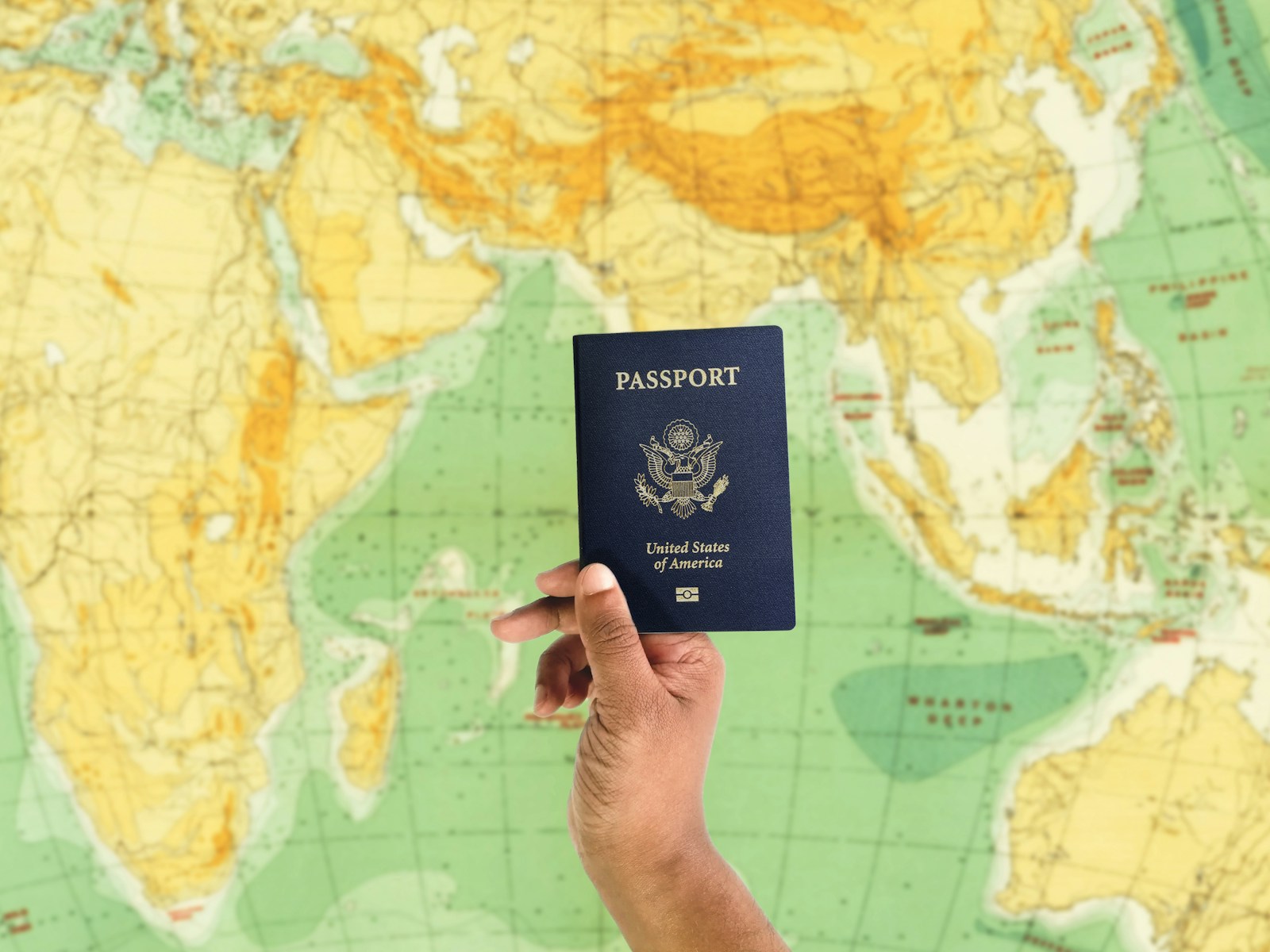
After Winning the DV Lottery: Expect ‑ in Fees and 3‑Month Wait
Learn the exact costs and timing from the moment you get the green light to the day you receive your passport stamp. Most guides skip the hidden medical fees and the interview’s real gate‑keeping tricks.
Which DV Region Offers the Highest Odds? 2024‑2026 Data Revealed
You’ll learn which geographic block actually maximizes your Diversity Visa chances and why most guides inflate those numbers. Most articles ignore per‑country caps, leaving applicants blindsided by false expectations.
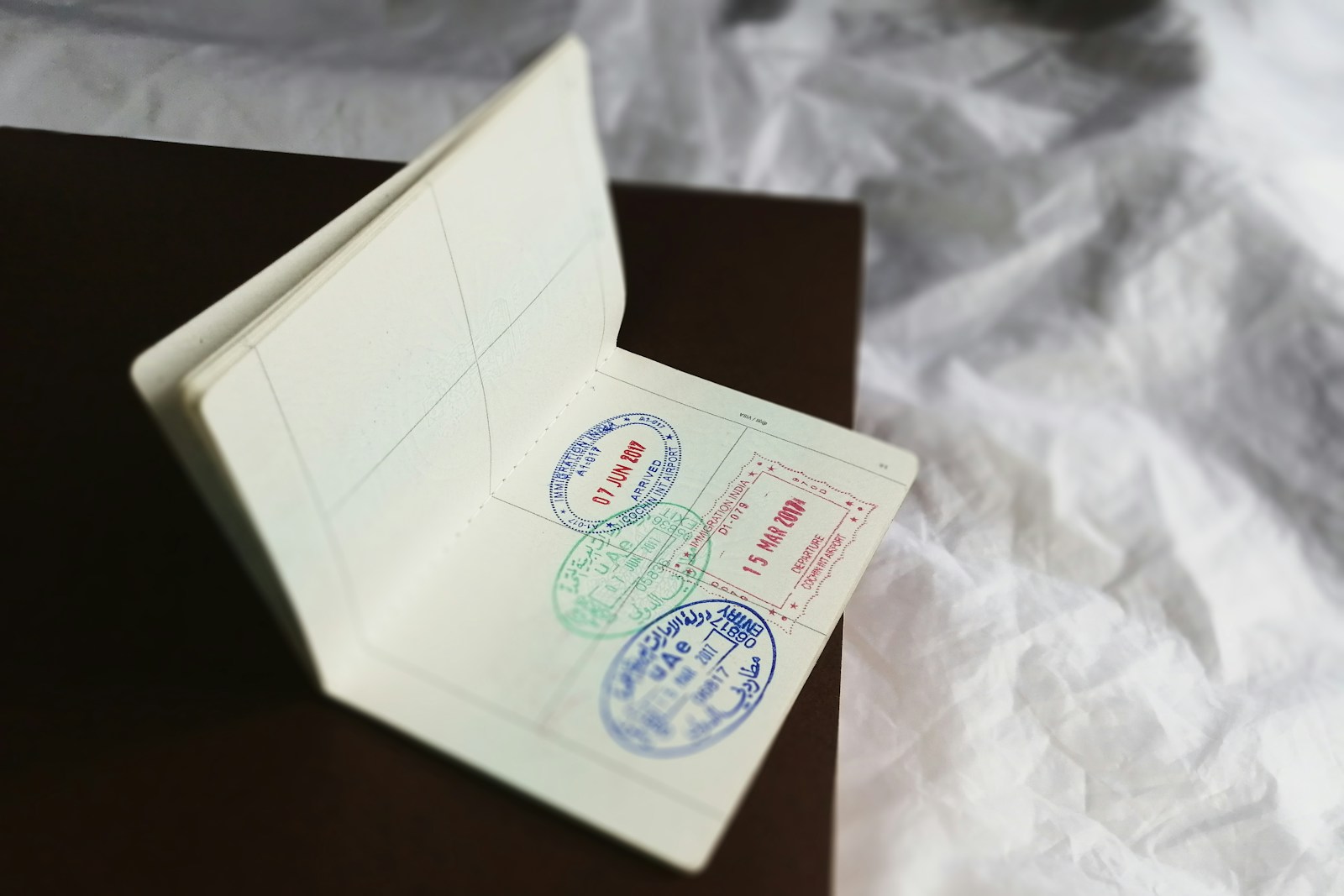
Why Brazil & Nigeria win the DV lottery – odds, tricks & costs
Learn which nations dominate the Diversity Visa draws and the concrete reasons behind their success. Most guides skim the statistics and hide the real expense traps.