After Winning the DV Lottery: Expect ‑ in Fees and 3‑Month Wait
Learn the exact costs and timing from the moment you get the green light to the day you receive your passport stamp. Most guides skip the hidden medical fees and the interview’s real gate‑keeping tricks.
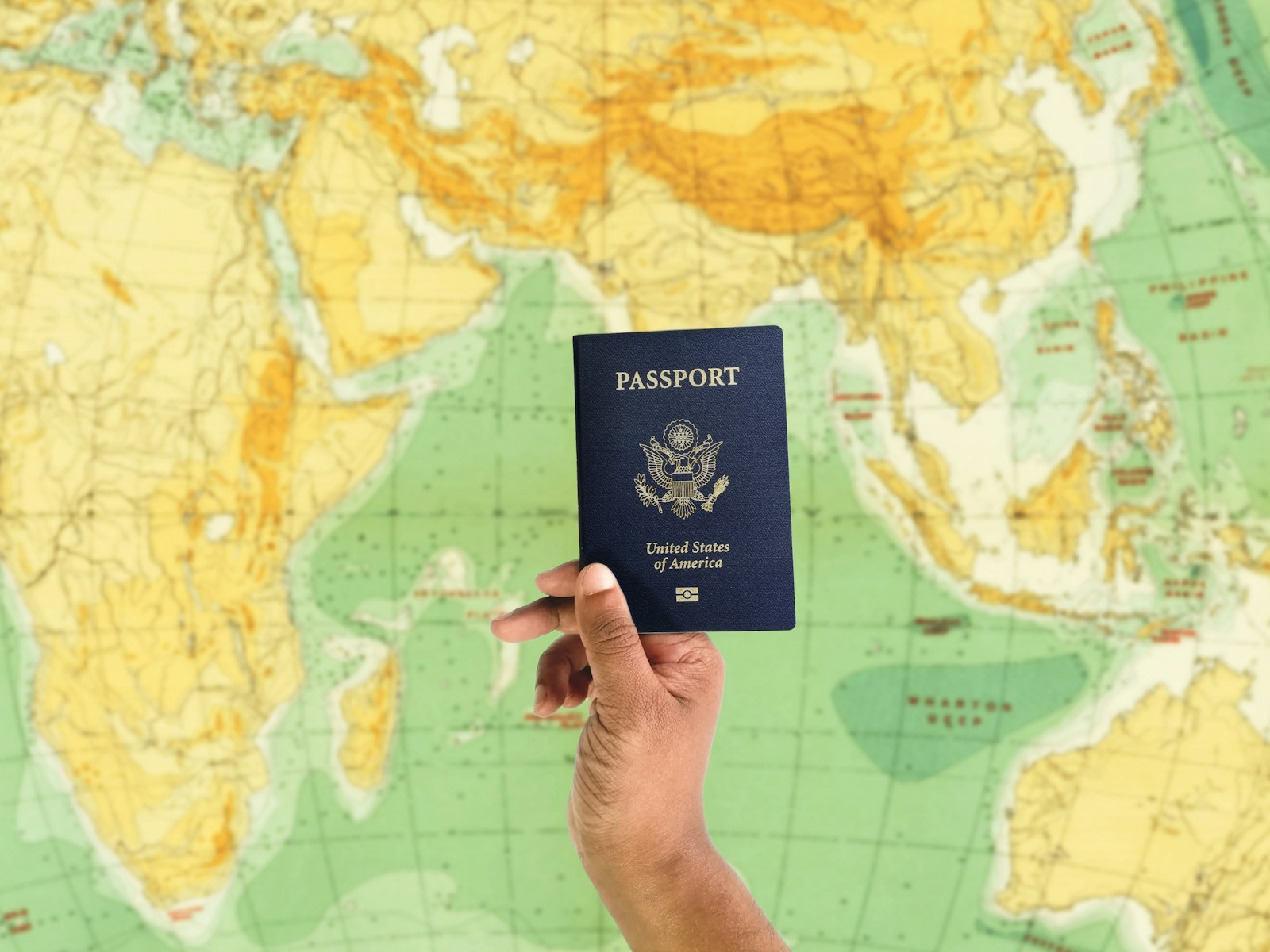
The moment your name flashes on the electronic lottery board, a surge of relief mixes with a gut‑punch of reality: you’ve just entered a narrow tunnel where every misstep costs money, weeks, or the whole chance at a green card. The interview and medical exam are not polite formalities; they are the final filters that separate the prepared from the gullible, and they can drain a modest savings account faster than a weekend flight to New York.
How long does the post‑selection window really stretch?
The State Department publishes a 90‑day window for submitting the DS‑260, but the clock starts the day you receive the official “selected” email, not the day you open it. Most successful applicants file within two weeks, leaving roughly ten weeks for the next steps. If you miss the deadline, the whole entry disappears—no refunds, no second chances.
Embassy appointment slots vary wildly by region. In Lagos, a free‑slot may appear after thirty days, while in Manila it can take sixty‑plus days. The official processing time listed on the consular website (usually “30–45 days”) only applies after the interview is completed, not the waiting period for the interview itself.
What the consular officer actually asks – and why they love to trip you up
The interview is a 15‑minute interrogation that feels more like a courtroom cross‑examination than a friendly chat. Officers start with the obvious—your name, birthday, and DV case number—then pivot to anything that could indicate fraud. Expect questions about past U.S. visa denials, previous trips longer than ninety days, and any employment gaps that don’t line up with your education timeline.
A common trap is the “family ties” question. If you claim a sibling lives in the United States, the officer will dig for proof: school transcripts, tax returns, or even a notarized statement. Without solid evidence, the officer can label the relationship “unverified” and send the case to “administrative processing,” which adds another two to four months.
Another red flag is vague answers about your intended occupation. “I’ll look for work” is too generic; the officer wants a concrete plan—industry, city, and how your qualifications fit the U.S. labor market. Throwing in buzzwords like “digital nomad” without a clear business model often triggers a deeper review.
The medical exam: cost, providers, and unexpected delays
You cannot schedule the medical exam until you have your interview confirmation number. The Department of State publishes a list of approved physicians; choosing a non‑approved clinic will result in a rejected medical report and wasted fees.
Fees differ dramatically by country. In Nairobi, a full exam (including blood work, X‑ray, and vaccinations) runs between $250 and $350 USD. In Buenos Aires, the same package can hit $400 USD because of higher vaccine prices. Some countries require a separate chest X‑ray fee, adding another $30–$60 USD.
The most common delay comes from the tuberculosis (TB) test. If your chest X‑ray shows any anomalies, the physician must order a sputum culture, which can take three weeks to return. During that time, the consulate cannot schedule your interview, pushing your timeline into the next month.
Vaccination requirements are often overlooked. The U.S. mandates MMR, varicella, and influenza for most adults, but some embassies also require hepatitis B or typhoid depending on local disease prevalence. If you lack any of these, the physician will administer them on the spot, and the cost spikes by $20–$40 USD per shot.
The money traps that turn a $1,500 fee into a $5,000 nightmare
Scam artists exploit the DV lottery’s fame by advertising “guaranteed interview slots” for a flat $2,000 USD. The reality is that interview dates are allocated by the embassy, not a third‑party. Paying such a service not only wastes cash but can flag your case for fraud investigation.
Consultants that claim they can “expedite the medical exam” usually have a partnership with a specific clinic. While the clinic may move you up a few days, the consultant adds a “service surcharge” of $300–$500 USD. Since the exam’s turnaround is already bounded by lab processing times, the extra cost rarely translates into a faster overall timeline.
A more subtle trap is the “document translation bundle.” Some agencies sell a single‑price package that includes translation, notarization, and courier service. In practice, you receive a PDF copy and a note that the original must be notarized locally, forcing you to pay an additional $100 USD per document.
One overlooked expense is the SEVIS‑like fee for the immigrant visa—currently $325 USD, payable online before your interview. If you miss this payment, the embassy will reschedule you to a later date, effectively adding weeks to your process.
Action checklist: realistic budget, timing, and paperwork
1. **DS‑260 filing fee** – $330 USD, payable via the online portal. Expect a processing delay of 24‑48 hours before you receive the confirmation number. 2. **Medical exam** – $250–$400 USD depending on local provider, plus $20–$40 USD per required vaccine. Add $30 USD for the mandatory chest X‑ray if not included. 3. **Immigrant visa issuance fee** – $325 USD, payable through the embassy’s payment portal. This fee is non‑refundable even if the visa is denied. 4. **Courier of passport** – $30–$60 USD for standard international shipping; express services can climb to $120 USD. 5. **Optional translation and notarization** – $80–$150 USD per document, depending on language and notary rates. 6. **Contingency fund** – $200–$400 USD for unexpected lab retests, additional TB work‑ups, or last‑minute vaccination shortages.
Schedule the medical exam **after** you have your interview confirmation number; otherwise you risk paying for a test that the embassy cannot yet accept. Book the embassy appointment through the official online system; avoid third‑party sites that promise “priority slots.” Keep digital copies of every receipt; the consulate often asks for proof of payment during administrative processing.
What to double‑check before you hand over any cash
- Verify that the physician is on the official approved list for your country; a quick search on travel.state.gov will confirm the ID number.
- Confirm the exact fee amounts on the embassy’s website the day you intend to pay; rates can shift with exchange‑rate updates.
- Ensure your passport has at least six months of blank pages left; a renewal after the interview forces a new case number and restarts the whole process.
- Review the DS‑260 answers for consistency with your supporting documents; a single mismatch can trigger a denial without a chance to appeal.
- Ask the consular officer whether any additional vaccinations are required for your specific age group; the answer is usually printed on the visa appointment confirmation email.
By ticking these boxes before the first dollar leaves your account, you sidestep the most common pitfalls and keep the focus on the real prize: a chance to start a new life in the United States without the lingering sting of unnecessary expenses.
Keep reading
Which DV Region Offers the Highest Odds? 2024‑2026 Data Revealed
You’ll learn which geographic block actually maximizes your Diversity Visa chances and why most guides inflate those numbers. Most articles ignore per‑country caps, leaving applicants blindsided by false expectations.
Why Scams Target Free DV Lottery Applicants
Learn how to dodge the fake agencies that charge for a process that costs nothing. Most guides ignore the hidden fee traps and the fine print that turn a free entry into a $2,000 bill.
Why Brazil & Nigeria win the DV lottery – odds, tricks & costs
Learn which nations dominate the Diversity Visa draws and the concrete reasons behind their success. Most guides skim the statistics and hide the real expense traps.