Which DV Region Offers the Highest Odds? 2024‑2026 Data Revealed
You’ll learn which geographic block actually maximizes your Diversity Visa chances and why most guides inflate those numbers. Most articles ignore per‑country caps, leaving applicants blindsided by false expectations.
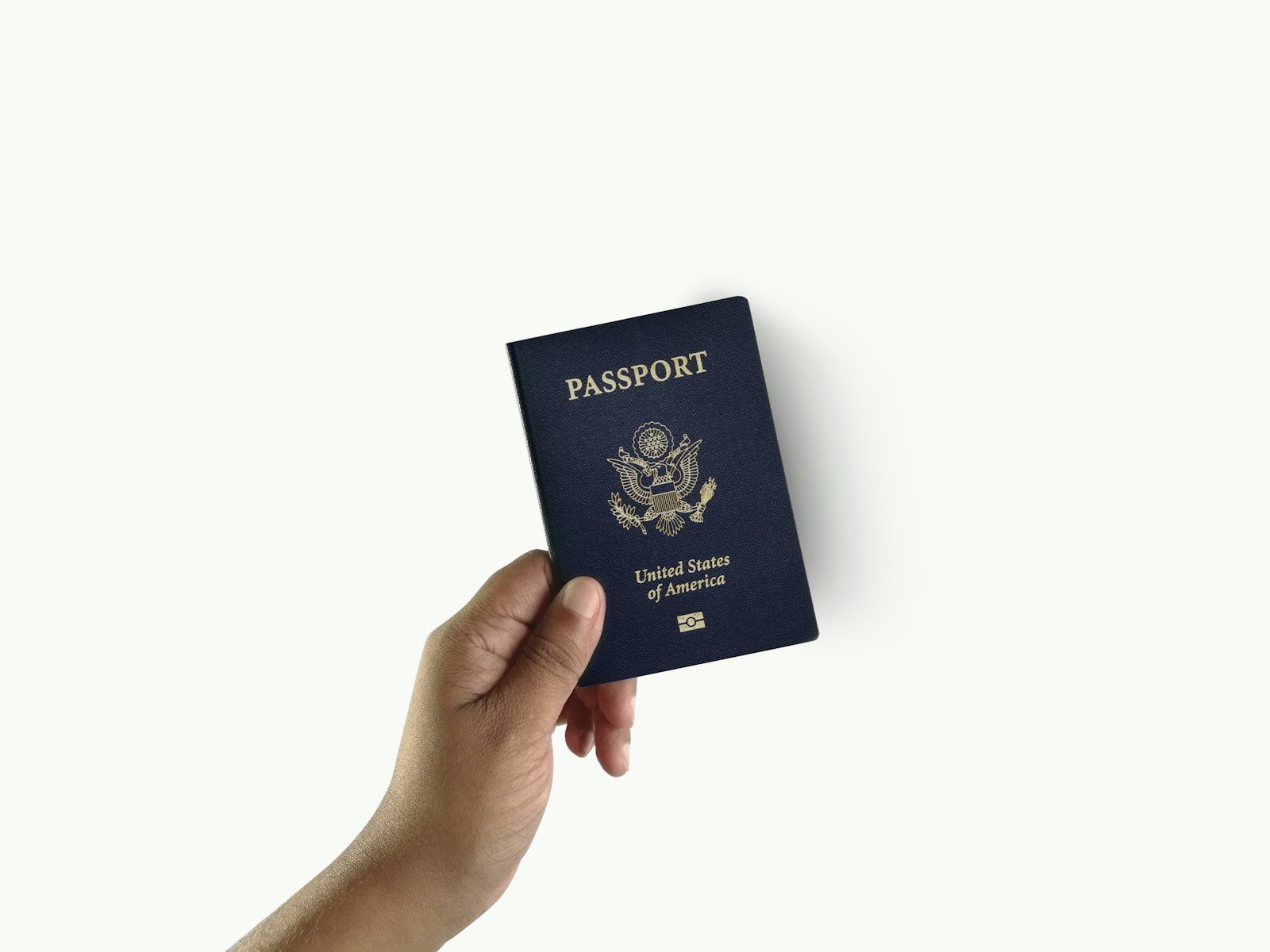
Every year the allure of a green card hides behind a lottery ticket that costs a few hundred dollars, a stack of paperwork, and a gamble that can collapse your savings if you chase myths. The tension spikes when hopeful applicants compare a $330 filing fee to an imagined 5 % win rate, only to discover that regional caps shrink those odds to a fraction of the headline.
Which region actually gives you the best odds?
Roughly one‑third of all Diversity Visa allocations go to Africa, another third to Asia, and the remaining slice splits between Europe, Oceania and the Americas. Historically, Africa’s per‑country ceiling of 7 % of the regional total translates into an average selection probability of about 1.2 % for each African entrant, while Asia’s larger pool dilutes individual chances to roughly 0.5 %. Europe, with a tighter cap of 7 % but fewer applicants, nudges its average odds up to around 1.8 %.
Numbers shift each fiscal year because the State Department adjusts the total number of visas—usually between 45,000 and 55,000—based on congressional directives. Consequently, a sub‑regional surge, such as a spike in West African entries, can push the African average down to the low‑90s percentile of a percent.
If you’re hunting the highest statistical edge, the European block currently offers the most generous slice, though the difference is modest and can vanish if a sudden influx of applicants from a particular country occurs.
Why headline “15 % chance” figures mislead applicants
The most common marketing copy touts a “15 % chance” for the entire program, but that number ignores the per‑country ceiling that forces the lottery to redistribute excess selections. When a country exceeds its 7 % share, the surplus rolls over to the next eligible region, effectively penalizing the original pool.
For example, if Brazil submits 30,000 entries—far above its 7 % share—the excess 21,000 are discarded, and the remaining slots are re‑allocated to other Latin American nations with smaller applicant bases. This mechanism can inflate the apparent odds for a handful of low‑volume countries while crushing the chances for high‑volume ones.
Understanding this redistribution is crucial because it explains why a Nepali applicant may see a 0.7 % personal probability even though the overall program advertises double‑digit odds.
How digital‑nomad visa income thresholds compare to DV financial proof
Digital‑nomad visas in Portugal, Estonia and Costa Rica demand proof of monthly earnings ranging from €1,500 to €3,500, depending on the jurisdiction. In contrast, the Diversity Visa requires only a demonstration of “sufficient means,” interpreted by consular officers as roughly $2,500 in liquid assets per person.
The disparity means that a remote worker who can comfortably clear a €2,000 monthly invoice will meet the DV’s financial bar without breaking a sweat, yet that same worker might be rejected for a nomad visa if the host country insists on a three‑month bank statement showing the higher threshold.
When budgeting, remember that the DV’s asset requirement can be satisfied with a modest savings account, while many digital‑nomad programs demand a steady cash flow that can be harder to document for freelancers.
Embassy interview tricks that separate winners from losers
Consular officers scan applications for red flags such as inconsistent travel histories, unexplained gaps in employment, or mismatched names between passports and birth certificates. One effective tactic is to bring a printed copy of the DS‑260 receipt alongside the original documents, allowing the officer to verify submission timestamps on the spot.
Another under‑the‑radar move involves rehearsing answers that focus on genuine ties to your home country—family, property, or a pending university enrollment—because the interview’s hidden purpose is to gauge the risk of overstaying.
Applicants who try to bluff about future U.S. employment without a concrete job offer often hear a polite “we’ll let you know” that translates into a silent denial later in the process.
Practical action plan: costs, timelines, and documents
First, allocate a budget band of €300–€450 for the entire DV pipeline. The official filing fee sits at $330 USD, which converts to roughly €300 at current rates; add €50–€100 for courier services if you need to ship originals to a trusted attorney.
Second, set a timeline of 6–9 months from entry submission to passport delivery. After the lottery results announce in May, selected entrants must schedule an interview between August and October, with consular processing typically taking 4–6 weeks once the appointment occurs.
Third, compile a document list that includes a valid passport (minimum six‑month validity), birth certificate, police clearance certificates from every country of residence over the past five years, and proof of financial means such as bank statements or a letter from a sponsoring relative.
Fourth, anticipate ancillary expenses: translation fees can run €20–€40 per document, while notarizations may add another €15–€30 per signature.
Lastly, keep a spreadsheet tracking each receipt number, courier tracking code, and interview appointment confirmation to avoid the common pitfall of misplaced paperwork that forces a costly re‑submission.
What to double‑check before you part with any money
Verify that the website you’re using is the official State Department portal (dvlottery.state.gov) before entering personal data; third‑party sites that promise “premium odds” usually charge for a service the government provides for free.
Confirm that the fee you’re about to pay matches the current filing amount posted on the official page; any deviation signals a scam.
Inspect your passport expiration date; a visa cannot be issued if the passport expires within six months of the intended entry date, and renewing after the interview will invalidate the approved visa.
Double‑check that every name on your DS‑260 matches the spelling on your passport, including diacritics; even a single misplaced accent can trigger a denial that costs you both time and money.
Finally, ensure that you have a copy of the entire application packet stored offline; cloud‑based backups are convenient, but they don’t protect you if the service experiences an outage during the critical submission window.
Keep reading

Why Scams Target Free DV Lottery Applicants
Learn how to dodge the fake agencies that charge for a process that costs nothing. Most guides ignore the hidden fee traps and the fine print that turn a free entry into a $2,000 bill.
Why Brazil & Nigeria win the DV lottery – odds, tricks & costs
Learn which nations dominate the Diversity Visa draws and the concrete reasons behind their success. Most guides skim the statistics and hide the real expense traps.
Why 80% of DV Photos Get Rejected – Avoid the Costly Mistake
You’ll learn the exact photo pitfalls that erase a Diversity Visa entry before the lottery even starts. Most guides gloss over pixel size and background nuance, leaving applicants to waste fees and hope.