Healthcare Visas: Germany 3‑Month, Canada Aus Bonus
Learn the real timelines, fees, and point tricks for three popular healthcare worker visas. Most guides hide hidden costs and overstate odds—this article pulls the curtain back.
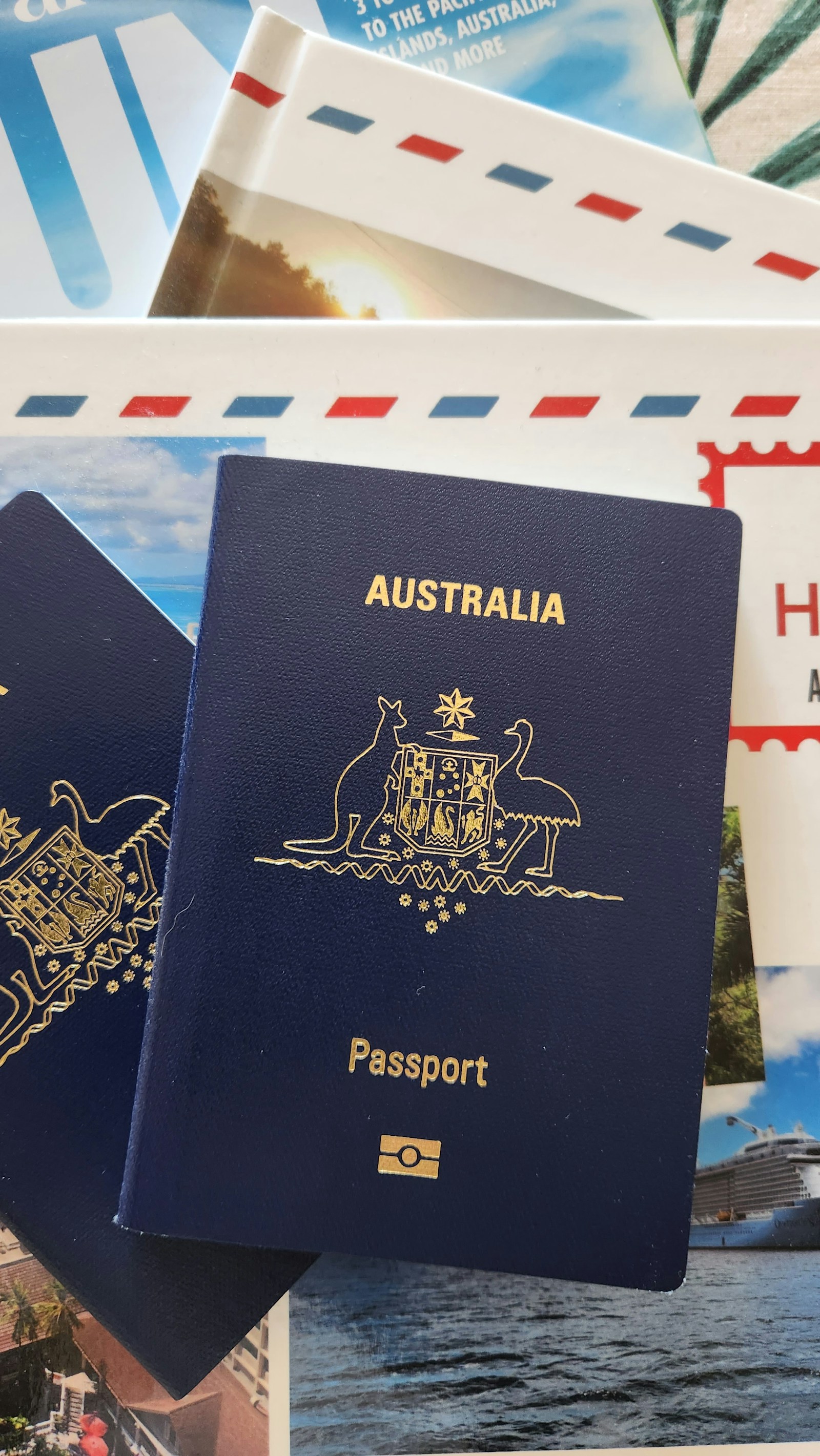
The promise of a quick move to a richer health system collides with the reality of paperwork piles, hidden charges, and agencies that charge for services the government provides for free. If you’re juggling a nursing licence, a family budget, and a ticking clock, the difference between a three‑month turnaround and a year‑long limbo can mean the loss of a promotion, a broken lease, or a strained marriage.
Can Germany Really Process a Nurse Visa in Three Months?
Germany’s “Aufenthaltserlaubnis für Fachkräfte im Gesundheitswesen” has a statutory processing window of 90 days once the Ausländerbehörde receives a complete dossier. The clock starts after the employer submits the “Beschäftigungsvertrag” and the Federal Employment Agency issues its approval. In practice, many applicants see the decision within 70‑80 days, provided the documents are error‑free.
A common mistake is to overlook the mandatory recognition of foreign qualifications (Anerkennung). The procedure can add two to six weeks, especially if the applicant needs to translate and notarize certificates. Some freelancers try to bypass the recognition step by claiming “equivalent experience,” but the authority almost always asks for the formal assessment, leading to costly delays.
The fee structure is transparent: a residence permit costs roughly €100‑€150, and the recognition process ranges from €250 to €500 depending on the state. There is no hidden “priority” surcharge; if a consultant promises a two‑week guarantee for €2 000, that’s a red flag.
Why Canada’s $500 Application Fee Doesn’t Mean a Cheap Path
Canada’s “Temporary Foreign Worker Program” for nurses lists the work permit processing fee at CAD 155, while the employer must pay a compliance fee of CAD 230. The $500 figure many blogs quote includes the biometrics charge (CAD 85) and a typical legal service fee, not the government cost alone.
Processing times vary dramatically by the visa office. In the Toronto center, the average is 22 weeks for a standard application; the Vancouver office often averages 18 weeks, while the Atlantic pilot can shave a few weeks if the employer is part of a designated program. A fast‑track “LMIA‑exempt” stream exists for provinces with acute shortages, cutting the timeline to 12‑14 weeks, but only if the employer has an approved “Labour Market Impact Assessment” exemption.
Success rates hover around 70 % for applicants who have completed the National Nursing Assessment Service (NNAS) profile and passed the provincial licensing exam. Those who skip the NNAS or submit incomplete proof of English proficiency see their odds dip below 30 %. The system does not reward “premium processing” fees; speed depends on the completeness of the file.
Does Australia’s Points Bonus Really Move Nurses Up the Queue?
Australia’s “Subclass 482” (Temporary Skill Shortage) visa uses a points test for “Skilled Independent” (subclass 189) applicants, but nurses can also apply under the “Regional Sponsored Migration Scheme” (subclass 187) where a bonus of five points is awarded for working in a designated regional area. The baseline requirement is 65 points; the bonus can lift a borderline 62‑point score into eligibility.
The points are calculated from age, English level, work experience, and qualifications. A nurse with a Master’s degree, IELTS 7.5, and three years of Australian experience can reach 78 points without the bonus. Adding the regional five points can push a candidate from a 60‑point borderline into the invitation pool, which typically opens every two months.
Processing times for the 482 visa range from 6 months to 11 months, with the “short‑term stream” averaging 7 months and the “medium‑term stream” averaging 9 months. Applicants who attach a genuine job offer from a regional hospital see the median drop by roughly two months. The government fee sits at AUD 1 460 for the primary applicant, plus AUD 730 for each dependent.
What Agencies Are Pulling the Wool Over Your Eyes?
A quick internet search yields dozens of agencies promising “visa lottery wins” for a flat fee of €2 000‑€3 000. The reality is that none of the three countries run a lottery for healthcare visas; the term is a marketing gimmick to sell “priority handling.” Most agencies simply submit the same government forms you could fill yourself, then tack on a “service charge” that covers their overhead.
In Canada, some firms advertise a “fast‑track” for a $1 500 fee, implying they can bribe a visa officer. The official process has no such shortcut, and any attempt to influence the decision is illegal. In Germany, a “priority lane” for €1 200 is a myth; the Ausländerbehörde processes applications strictly in order of receipt.
The most pernicious scams involve “residency programs” that promise citizenship after five years in exchange for an upfront “investment” of €20 000‑€50 000. Those schemes often disappear after receiving the money, leaving the applicant with an incomplete application and no recourse.
Practical Action Steps and Realistic Cost Ranges
- Gather credential assessments first.
- Germany: €250‑€500 for recognition.
- Canada: CAD 350‑CAD 500 for NNAS and provincial licensing.
- Australia: AUD 1 200‑AUD 1 800 for ANMAC assessment.
- Secure a binding job offer before you spend on translation.
- Employers in all three markets usually cover the LMIA (Canada) or the labor market test (Germany) as part of the contract.
- Allocate a buffer for biometric and government fees.
- Expect €150‑€200 (Germany), CAD 240‑CAD 300 (Canada), AUD 1 460‑AUD 1 800 (Australia) depending on dependents.
- Plan for living expenses during the waiting period.
- In Berlin, a single person needs €800‑€1 200 per month for rent and basics.
- Toronto’s average is CAD 1 500‑CAD 2 200.
- Sydney’s minimum is AUD 2 000‑AUD 2 800.
- Avoid middlemen for document translation.
- Certified translators charge €30‑€50 per page; many official bodies accept notarized self‑translations at no extra cost.
- Set a deadline for each milestone.
- Submit German recognition within 30 days of job offer.
- Complete NNAS profile within 45 days for Canada.
- File ANMAC application within 60 days for Australia.
By budgeting the high end of each range, you prevent surprises that often force applicants to borrow at exorbitant rates or abandon the process mid‑way.
What to Double‑Check Before You Hand Over Any Money
- Verify the official fee schedule on the respective immigration website; any figure higher than the published amount is a markup.
- Confirm that the employer’s contract includes a clause stating they will cover mandatory labor market tests.
- Ensure your licence is listed on the country’s recognized register before you apply for a work permit.
- Look up the visa office’s average processing time for your specific stream; if a consultant claims a “guaranteed 30‑day decision,” treat it as a red flag.
- Ask for a written receipt that itemizes every charge; vague invoices often hide hidden commissions.
If every point checks out, you can move forward with confidence, knowing you’ve sidestepped the most common traps and are positioned to start your healthcare career abroad without unnecessary debt or disappointment.
Keep reading
Why the H‑1B Can Drain K‑K Before You See a Paycheck
Learn the real budget line items most guides skip and how they can wreck your finances. Most advice glosses over fees, attorney tricks, and wage rules that explode costs.

Provincial Nominee Success: 12%‑30% Odds & 6‑12‑Month Wait
Learn the real nomination odds for each Canadian province and the timelines that actually happen. Most guides hide the fee cliffs and the processing bottlenecks that can ruin a budget.
Golden Visa vs D7: €300k vs €8k—Which Wins the 5‑Year Race?
Learn the real cost, timeline, and citizenship odds of Portugal’s Golden Visa and D7 Passive Income Visa. Most guides skip hidden fees and misstate the residency‑to‑passport conversion.