Provincial Nominee Success: 12%‑30% Odds & 6‑12‑Month Wait
Learn the real nomination odds for each Canadian province and the timelines that actually happen. Most guides hide the fee cliffs and the processing bottlenecks that can ruin a budget.
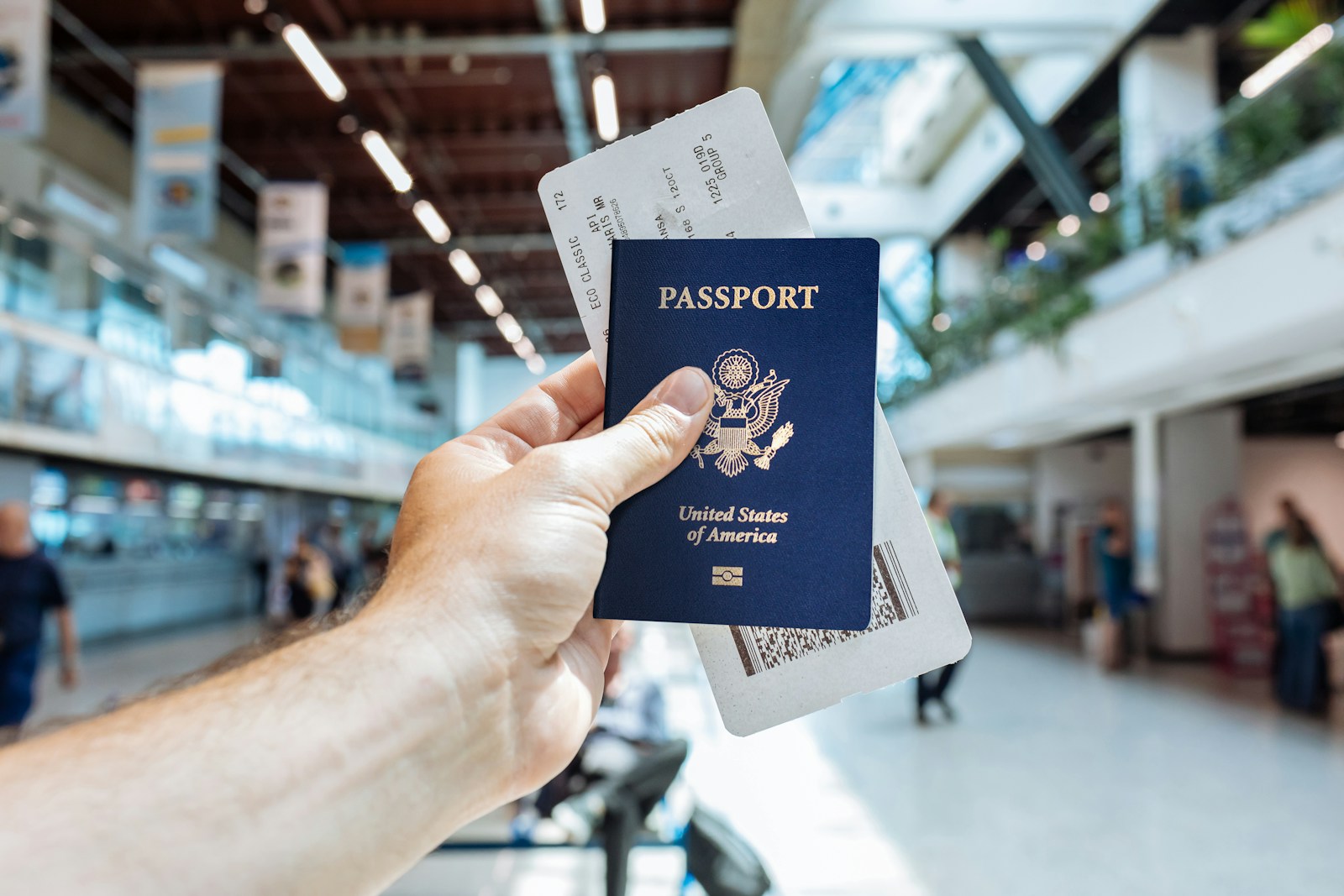
The PNP market feels like a high‑stakes poker table: you wager thousands, hope a province draws your name, and pray the clock doesn’t run out before the paperwork lands. One mis‑read fee schedule or an outdated draw statistic can turn a promising application into a month‑long holding pattern that drains savings faster than rent.
Which provinces hand out the most nominations, and at what success rate?
Alberta consistently publishes the highest nomination acceptance ratio, hovering between 25 % and 30 % of eligible applicants each intake. The province’s “Tech Pathway” and “Rural Revitalization” streams attract candidates with proven work experience, so the cut‑off scores sit well above the federal Express Entry average.
Ontario’s stream is massive in volume but ruthless in selectivity; roughly 12 % to 18 % of submissions clear the provincial screen. The province favors candidates with a job offer in a high‑growth sector, and the lack of one drops the odds dramatically.
British Columbia’s “Skills Immigration” program settles around 15 % to 22 % success, with a notable boost for tech workers who meet the BC PNP Tech Pilot thresholds. The province’s emphasis on language proficiency and provincial work experience creates a two‑step filter that weeds out half of the pool.
Saskatchewan, Manitoba, and Nova Scotia sit in the 10 % to 14 % range. Saskatchewan’s “International Skilled Worker” category is generous with points for education, yet the province caps its annual intake, creating a lottery‑like scarcity. Manitoba’s “Strategic Business” stream demands a minimum investment that many solo applicants can’t meet, dragging its success percentage toward the lower bound.
The numbers above are averages from the last three intake cycles; each draw can swing by a few points depending on labor market pressure and political budget changes. Checking the latest provincial bulletins before you commit is non‑negotiable.
Do processing times really stay within the advertised 6‑12 months?
Federal immigration officials publish a 6‑month baseline for most PNP streams, but real‑world data shows a spread from 5 months in Alberta (when the province’s internal system is humming) to 11 months in Ontario during high‑volume periods. The variance stems from document verification backlogs and the need for provincial labor market impact assessments.
British Columbia’s “Tech Pilot” often clears the provincial stage in 4 months, yet the subsequent federal stage can add another 7 months if the applicant’s Educational Credential Assessment (ECA) triggers a re‑verification. Saskatchewan’s “Express Entry” alignment sometimes shortens the total to 6 months, but three‑digit queue numbers at the visa office can push the timeline past the one‑year mark.
Manitoba and Nova Scotia experience the longest waits, frequently 10 to 12 months, because the provinces require a settlement‑fund proof that must be audited by a third‑party agency. Any discrepancy in the proof triggers a request for additional evidence, adding weeks of idle time.
Seasonal staffing changes at the visa office also influence the clock. When the office processes a surge of family reunification cases, PNP files can slip into the lower end of the range despite earlier expectations.
What hidden costs will eat your budget before you even get a nomination?
The government filing fee for a provincial nomination sits between CAD 300 and CAD 500, but that’s only the tip of the iceberg. Most applicants end up paying CAD 1,500 to CAD 2,500 in language testing (IELTS or CELPIP), credential assessment, and police certificates—each a mandatory prerequisite.
Legal representation is a minefield. A reputable immigration lawyer charges CAD 2,000 to CAD 4,000 for a full‑service PNP package, yet many “consultants” advertise a “free application” only to tack on a “processing surcharge” of CAD 500 to CAD 1,200 after you submit. The final bill often exceeds CAD 7,000 before the provincial fee is even considered.
Biometrics cost CAD 85 per person, and the Permanent Residence Right‑of‑Residence Fee adds another CAD 515. If you’re bringing a spouse and one child, the biometrics total climbs to CAD 255 and the residency fee to CAD 1,030. Forgetting these line items inflates the surprise amount at the payment stage.
Settlement funds required for most streams range from CAD 12,000 for a single applicant in Saskatchewan to CAD 25,000 for a family of four in Ontario. Those funds must be verifiable in a Canadian bank or a certified financial statement, and moving them across borders incurs transfer fees of 2 % to 3 % of the total amount.
These figures illustrate why a “budget‑friendly” PNP claim on a glossy website is often a smoke screen. Always map every line item before you sign a retainer.
How can you survive the embassy interview without tripping the red‑flag alarms?
First impression matters: dress as if you’re attending a corporate board meeting, not a casual coffee meetup. Consistency between your application forms and interview answers is the single most inspected element; any mismatch in job titles or dates triggers an immediate request for clarification.
Second, bring the original ECA report, not just a scanned copy. Officers have a habit of flipping through paper stacks, and a missing original can look like a forged document, even if the digital version matches your file.
Third, answer questions with concrete numbers. When asked about your intended settlement city, cite the specific municipality you listed in the provincial nomination, and reference the local labor market report you used to justify the choice. Vague answers such as “anywhere in the province” signal lack of preparation.
Finally, avoid the temptation to over‑explain. If the officer stops the conversation after a single answer, stay silent; extra commentary can introduce contradictions that were never present in your paperwork. Silence, in this context, is a tactical shield.
These tactics aren’t tricks; they’re the by‑product of thousands of applicants who learned the hard way that a single misstep can reset the entire process.
Action plan: steps, timeline, and realistic cash outlay
- Research provincial streams (Weeks 1‑2). Pull the latest draw results from each province’s immigration portal; note the minimum CRS scores and occupation lists.
- Secure language test and ECA (Weeks 3‑6). Allocate CAD 1,200‑1,800 for test fees, preparation courses, and credential assessment.
- Gather police certificates and biometrics (Weeks 5‑7). Expect CAD 85‑120 per person for biometric enrolment.
- Prepare settlement‑fund proof (Weeks 6‑8). Transfer the required amount to a Canadian‑registered bank; budget 2‑3 % transfer fees.
- Submit provincial application (Weeks 8‑10). Provincial filing fees range CAD 300‑500; keep an extra CAD 200 for unexpected processing surcharges.
- Hire legal counsel (Optional, Weeks 9‑10). If you choose representation, set aside CAD 2,000‑4,000.
- Wait for nomination letter (Months 2‑4). Monitor the province’s online portal daily; any status change triggers the next step.
- Apply for federal permanent residence (Months 4‑5). Pay the CAD 515 right‑of‑residence fee and upload all documents to the IRCC portal.
- Schedule embassy interview (Months 5‑6). Book the appointment as soon as the invitation arrives; travel to the consulate with the original documents list.
- Plan arrival and settlement (Months 7‑12). Factor in housing deposits (often CAD 1,000‑2,000), initial utilities, and a modest living budget until income starts.
Overall, a realistic cash outlay lands between CAD 7,500 and CAD 12,000 for a single applicant, and CAD 12,000 to CAD 18,000 for a family of four. The range accounts for optional legal help, fluctuating transfer fees, and the varying settlement‑fund thresholds across provinces.
What to double‑check before you hand over any money
- Verify the provincial website URL ends with “.gc.ca”; scammers replicate the design but use “.com” or obscure domains.
- Confirm the fee schedule listed on the official portal matches the amount you’re asked to pay; any deviation is a red flag.
- Ensure the consultant’s license number appears on the Immigration Consultants of Canada Regulatory Council (ICCRC) roster; unregistered advisors often disappear after receiving your deposit.
- Cross‑reference the draw dates on the provincial page with independent news reports; a “last‑minute” draw announcement that isn’t mirrored elsewhere may be fabricated.
- Review the refund policy for any service you engage; reputable firms return at least 50 % of the retainer if the nomination is denied for reasons outside your control.
Keeping these checkpoints in mind prevents the most common money‑sucking traps and lets you focus on the real work: building a case that provinces can’t refuse.
Keep reading
Why the H‑1B Can Drain K‑K Before You See a Paycheck
Learn the real budget line items most guides skip and how they can wreck your finances. Most advice glosses over fees, attorney tricks, and wage rules that explode costs.
Healthcare Visas: Germany 3‑Month, Canada Aus Bonus
Learn the real timelines, fees, and point tricks for three popular healthcare worker visas. Most guides hide hidden costs and overstate odds—this article pulls the curtain back.
Golden Visa vs D7: €300k vs €8k—Which Wins the 5‑Year Race?
Learn the real cost, timeline, and citizenship odds of Portugal’s Golden Visa and D7 Passive Income Visa. Most guides skip hidden fees and misstate the residency‑to‑passport conversion.