Married to a Foreign Citizen? Expect 12‑18 months, ‑4k fees, and 7 red flags
Learn the exact timeline, paperwork pitfalls, and consular red flags most guides gloss over. Most advice skips the hidden costs and the subtle cues that trigger denials.
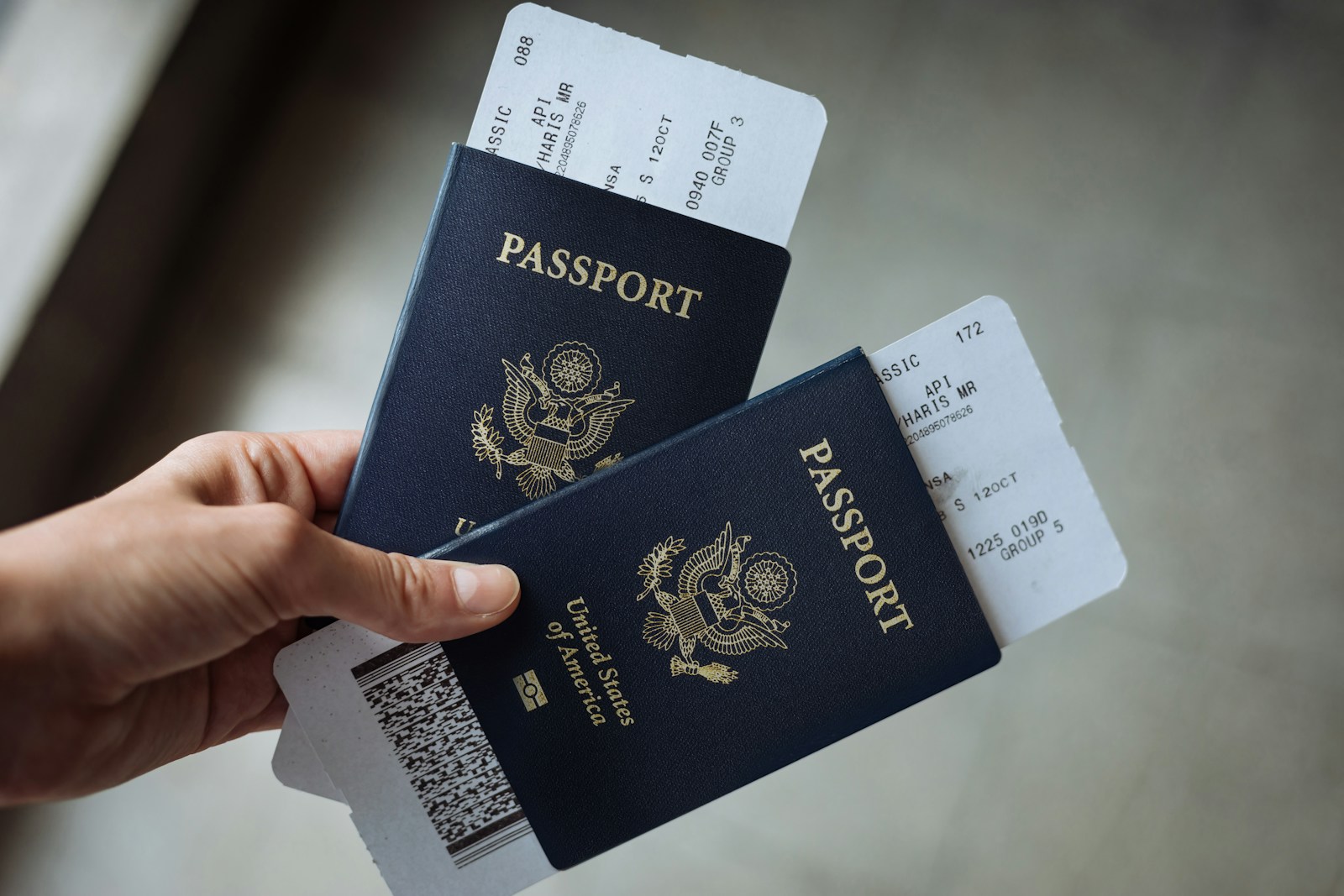
Money, paperwork, and the looming threat of a denied stamp dominate every conversation about spousal immigration. Couples who skip the fine print often discover that a $2,000‑plus fee does not guarantee a passport, and that a missed deadline can add another year to an already stretched waiting period.
Processing times for the primary spousal visa (the I‑130 followed by the immigrant visa stage) fluctuate between 8 months and 14 months in most high‑volume posts, but peak backlogs can push the total to 18 months. Those who file under the “expedited” category for humanitarian reasons shave off roughly two months, yet the extra paperwork required for that track can double the attorney bill. Applicants based in countries with limited consular staffing should add a buffer of three to four weeks for appointment scarcity.
When the petition finally clears USCIS, the National Visa Center (NVC) steps in with a checklist that feels deliberately redundant. Required forms include the DS‑260, civil documents, and a rigorously vetted financial affidavit that must meet the 125 % poverty line for the sponsor’s household. For a household of three, that translates to an income of roughly $27,000‑$30,000 in the United States, but many sponsors mistakenly quote foreign‑currency earnings without converting them, prompting immediate red flags.
A common mistake is attaching a marriage certificate that bears a stamp from a non‑governmental registrar. Consular officers are trained to spot that subtle inconsistency, especially when the document’s paper quality differs from official prints. Even a perfectly legible certificate can be rejected if the issuing authority’s seal does not match the country’s standard format listed on the embassy’s website.
Consular officers also scrutinize the length and depth of the couple’s documented relationship. A photo album that stops at the wedding day, or social‑media posts that begin only months before the ceremony, often triggers the “insufficient evidence” clause. Including joint bank statements, lease agreements, and utility bills that span at least six months demonstrates a lived‑in partnership beyond a ceremonial event.
If the sponsor’s employment history contains gaps longer than three months without a clear explanation, the officer may infer that the financial affidavit is being propped up artificially. Providing a letter from an employer that specifies salary, position, and dates of employment can mitigate suspicion, but the tone of the letter matters; generic templates flagged by previous applicants have been known to result in a denial.
Those who attempt to “speed up” the interview by requesting a same‑day appointment often find the request denied, and the subsequent rescheduling pushes the timeline back by another 30‑45 days. Conversely, arriving early for the scheduled slot, dressed in business‑casual attire, and answering questions with concise, factual statements tends to leave a better impression than rehearsed, overly emotional narratives.
Even the way you answer the “how did you meet?” question can betray a scripted story. Officers are trained to listen for inconsistencies between the applicant’s timeline and the documented evidence. A response that references a specific month but the supporting email chain shows a different date will instantly raise suspicion.
Timing your biometric appointment is another lever you can control. Scheduling it within two weeks of the NVC’s document approval reduces the chance of a missed deadline that forces a new case number. Missing that window forces the entire file back into the queue, effectively resetting the clock.
A realistic budget for the entire spousal visa process ranges from $2,300 to $4,200, excluding optional translation services that can add $150‑$400 per document. Attorney fees typically sit between $1,500 and $2,500, but “no‑fee” consultants that claim to file for free often charge hidden costs for form preparation, leaving the couple with an unexpected $800‑$1,200 bill later. Adding the $220 SEVIS‑like fee that some embassies charge for document handling brings the bottom line closer to $3,000 in most cases.
The budget should also allocate $100‑$250 for travel to the consulate, especially if the nearest location is across a national border. Some applicants report additional courier fees for sending original civil documents, which can climb to $80 per package. Planning for a contingency fund of at least $500 is wise, as unexpected translation or notarization requests appear late in the process.
Before you hand over any cash, double‑check that the embassy’s official website lists the exact fee schedule and accepted payment methods. Verify that the attorney you consider is listed on the state bar’s active roster and has no disciplinary actions. Confirm that the address on the marriage certificate matches the one on the joint lease, and that all names are spelled identically across every form. A quick cross‑reference of these details can prevent a costly resubmission that adds weeks, if not months, to your timeline.
Keep reading
Teach English Abroad: €800‑€ Salary, Visa Fees & 3‑Month Wait
Learn the real pay range, visa hurdles and hidden costs that most guides skim over. Most articles gloss over processing fees and the odds of getting a work permit.
Citizenship by Descent: Real Timelines & Hidden Costs
Learn the actual processing windows for descent‑based citizenship and the fees most guides skip. Most articles hide bureaucracy; this one pulls the curtain back.
Australia Skilled Visa: New Occupation Lists Cut Your Points by 20%
Learn which occupation list changes have slashed points and how to salvage your application. Most guides ignore the hidden cuts and the scams that prey on hopeful migrants.