Citizenship by Descent: Real Timelines & Hidden Costs
Learn the actual processing windows for descent‑based citizenship and the fees most guides skip. Most articles hide bureaucracy; this one pulls the curtain back.
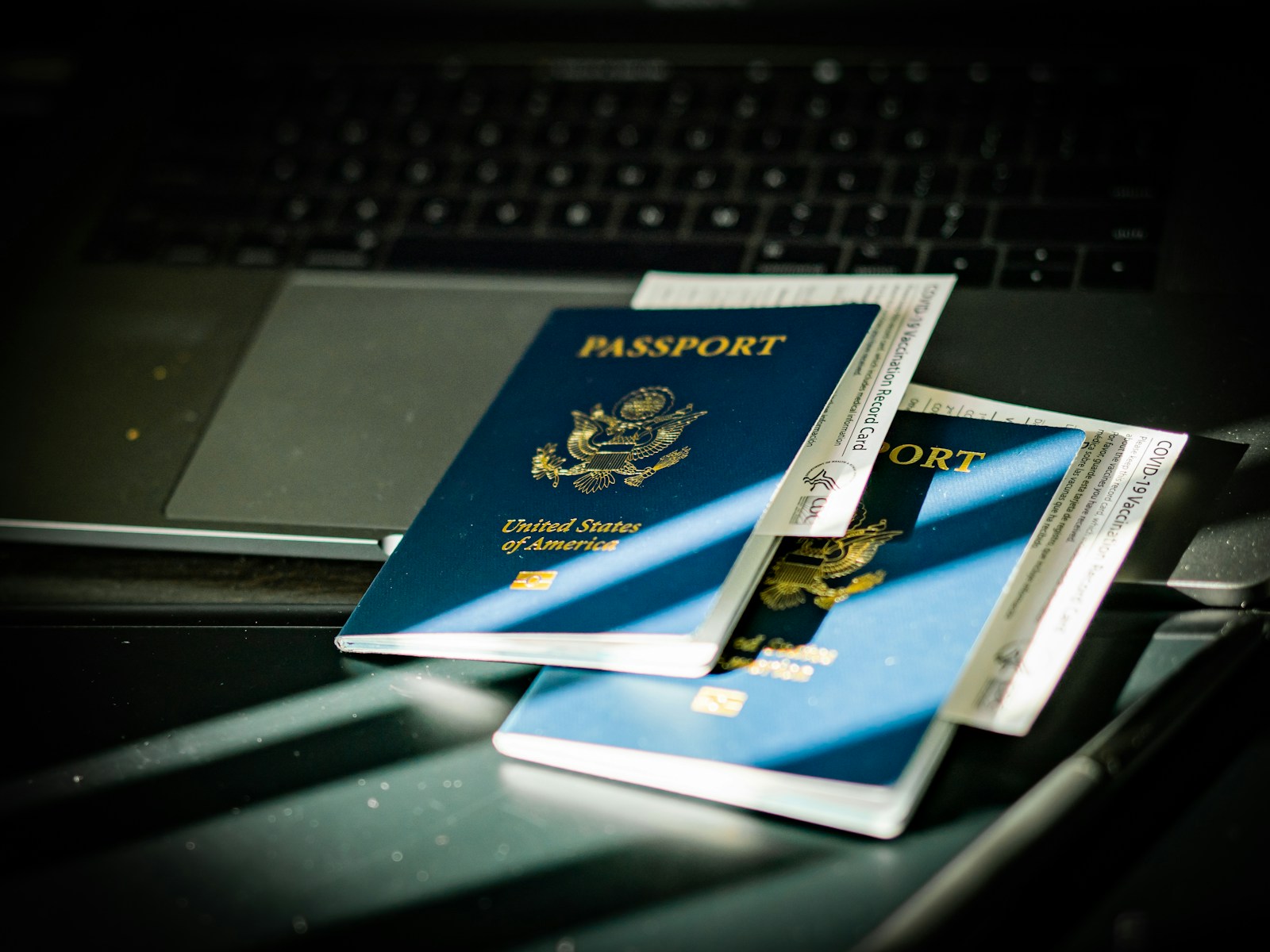
The promise of a free‑born passport sounds cheap, but the paperwork often drags on for months, the consular fees can eat a quarter of a modest savings, and a single missing birth‑record can turn the whole effort into a dead end. You’ll spend time debating whether to hire a “specialist” while the clock ticks, and the real danger lies in paying for empty promises that never get filed.
Can you really get a passport in under a year?
Most European nations list a “standard” window of three to six months for a descent claim, yet the reality hinges on archive accessibility. Italy, for example, averages four to eight months when the applicant provides a complete chain of civil‑record extracts; a missing marriage certificate can push the file into a twelve‑month backlog.
Portugal’s “grand‑parent” route often stretches beyond nine months because the Lisbon archive requires a manual search for each ancestor. Applicants who request expedited service from the consulate may shave off a month, but the extra €120 surcharge rarely guarantees faster results.
In contrast, Brazil’s descent process can close in under six months if the applicant lives in a state with digitized records. Rural archives still rely on paper, adding another three‑month buffer that most guides forget to mention.
Which countries actually honor descent claims?
Ireland recognizes foreign‑born grandchildren on a “Foreign Birth Registration” that typically clears in five to ten weeks, provided the grandparent’s Irish birth certificate is on file. The Irish Naturalisation and Immigration Service publishes a success rate hovering around 85 % for applicants with a complete lineage.
Argentina offers citizenship to children of Argentine parents born abroad, but only after the Ministry of Interior confirms the parent’s registration in the “Registro Nacional de las Personas”. Confirmation delays can double the advertised three‑month timeline, especially during the annual surge in summer.
South Africa’s “ancestral” route is a myth for most applicants; the Department of Home Affairs requires proof of permanent residence for at least two generations, a condition that effectively blocks the majority of diaspora seekers.
These nuances explain why a generic “Europe = six months” claim misleads hopeful applicants.
What hidden fees drain your budget?
Embassy application fees rarely exceed €150, but the real expense starts with document legalization. A single apostille in Germany costs €30‑€50, while the same service in Kenya can reach KES 12,000.
Courier charges for sending certified copies to a foreign consulate often sit between $40 and $90, and a missed deadline for a passport‑size photo can trigger a re‑submission fee of €20.
Many “visa consultants” bundle these costs into a “service fee” that ranges from $500 to $2,500, yet the same paperwork is freely downloadable from official portals. The only legitimate reason to pay a professional is when you lack access to a notary or need translation into a language the consulate does not accept.
How do income thresholds affect digital nomad routes?
Some nations bundle descent pathways with digital‑nomad incentives, yet the income test remains a separate hurdle. Estonia requires a minimum monthly gross of €3,500 for its e‑Residency‑linked freelance permit, while Georgia’s “Remotely from Georgia” program sets the bar at $2,000 per month.
If you qualify for a descent passport, you can bypass these thresholds for a Schengen stay of up to 90 days, but many applicants mistakenly assume the digital‑nomad visa will automatically grant longer residence. The two systems operate independently, and mixing them can cause a visa denial if the consular officer flags insufficient proof of income.
Portuguese “D7” passive‑income visas demand €7,200 annual revenue, a figure that eclipses the €150 filing fee for a descent claim. Attempting both routes simultaneously often creates conflicting documentation, prompting the consulate to request clarification and adding another two‑month delay.
Practical steps to file a descent claim without a middleman
1. **Collect civil records** – Start with the most recent birth certificate, then request marriage and death certificates for each ancestor. In Argentina, the “Registro Civil” portal provides PDFs for a nominal fee of ARS 250‑500.
2. **Obtain apostilles** – Use the official government website of the issuing country; in the UK, the online service charges £30 per document, with a turnaround of five to ten business days.
3. **Translate documents** – Certified translators in Canada charge CAD 0.20‑0.30 per word; a typical ten‑page set translates for roughly CAD 150.
4. **Submit to the consulate** – Most embassies accept electronic uploads via a secure portal; the fee is payable by credit card at the time of upload. Expect a receipt that includes a reference number for tracking.
5. **Follow up** – After submission, log into the portal weekly. If the status remains “under review” after the published window, send a concise email citing your case number; most consulates respond within 48 hours.
Budgeting for the entire process usually lands between €500 and €1,200, depending on the number of ancestors and the distance to the nearest archive.
Final checklist before you write a cheque
- Verify that every ancestor’s full name matches the spelling on the civil record; even a single accent mark can trigger a request for clarification.
- Confirm the consular fee schedule on the official website; agencies that quote lower amounts are often front‑running a scam.
- Ensure that all translations carry the translator’s seal and the date of issue; outdated seals lead to rejections.
- Double‑check the passport‑photo specifications; a photo taken at a mall kiosk frequently fails the biometric test.
- Review the tracking number after payment; a missing reference means the transaction never entered the consulate’s system.
Crossing these items off before you sign any invoice will keep your descent pursuit on a realistic timetable and protect the hard‑earned cash you’re about to invest.
Keep reading
Australia Skilled Visa: New Occupation Lists Cut Your Points by 20%
Learn which occupation list changes have slashed points and how to salvage your application. Most guides ignore the hidden cuts and the scams that prey on hopeful migrants.

Boost Your Canada Express Entry CRS by 100 Points – How
Learn the concrete levers that can add a hundred points to your CRS score and avoid the myths that waste money. Most guides ignore language‑test strategies, provincial nominations and the hidden costs that trip up first‑time applicants.
UK Skilled Worker Visa: £26k Threshold & 2026 Timeline Risks
You’ll learn the exact salary floor for the 2026 Skilled Worker route, the hidden costs that eat your budget, and how to avoid the scams that litter the market. Most guides skim the numbers and ignore the trap doors that turn a confident applicant into a broke reject.