Beware: Fake Visa Lottery Scams Charge k‑k for Zero Odds
Learn how swindlers hijack the Diversity Visa lottery with outrageous fees and no real advantage. Most guides miss the warning signs that separate legitimate resources from profit‑driven traps.

The Diversity Visa lottery promises a green card for a modest fee, yet a growing market of “consultants” demands anywhere from two to five thousand dollars, promising a secret edge that simply doesn’t exist. Those inflated invoices hide a stark reality: the odds remain unchanged, and the money vanishes the moment the application is submitted.
What are the actual odds of winning the Diversity Visa lottery?
Each fiscal year the State Department publishes a total of 55,000 visas, but the pool of entries often exceeds 15 million. That translates to a success probability somewhere between 0.3 % and 0.5 % depending on the region‑specific quota. The lottery uses a computer‑generated random draw, meaning no external factor can tip the scale.
Because the selection is blind, any claim that a third‑party can increase the likelihood is mathematically impossible. Even a perfectly completed form submitted through the official website enjoys the same chance as a self‑filed entry.
Why do “consultants” claim they can boost your chances?
Scammers market themselves as “guides” who have insider contacts at the embassy, suggesting that a private portal bypasses the public registration site. In reality, the Department of State only accepts entries through one secure portal; any alternative link is a phishing trap.
These operators also quote “priority processing” fees, implying faster inclusion in the draw. The lottery does not have a processing stage that can be expedited—applications are either accepted or rejected on the spot, and the draw occurs months later.
How do the $2,000‑$5,000 fees break down (or not)?
A typical invoice lists items such as “application audit,” “personalized email alerts,” and “express submission.” The audit merely checks for typographical errors that the official website already flags. Email alerts are automated newsletters that anyone can subscribe to for free. The so‑called express submission is a myth; the system records the exact timestamp when the form is hit, and no external party can alter it.
When the money reaches the scammer, it is usually transferred to a personal account in a jurisdiction with weak consumer protection. Victims receive a generic receipt, and the promised “guaranteed win” disappears with the cash.
Which red flags prove a service is a scam?
First, the provider asks for payment before you have even accessed the official registration page. Legitimate NGOs that assist low‑income applicants request reimbursement only after the fee is paid to the U.S. Treasury. Second, the price quoted exceeds the sum of the official $330 Diversity Visa fee plus a modest translation or notarization cost. Third, the marketer insists on a signed contract that includes language about “enhancing odds” or “priority entry”—both of which are prohibited by law.
Another warning sign is a lack of a physical address or a vague “headquarters” listed only as a P.O. box. Authentic visa consultants are required to display a registered business number and a clear refund policy, neither of which appears in these fraudulent offers.
Action plan: Apply yourself without paying a middleman
- Create a free account on the official Diversity Visa website during the designated window, usually in October. The portal is accessible from any browser and does not require a credit‑card hold.
- Gather required documents: passport scan, recent photo meeting the 2‑inch square specification, and proof of high school education or equivalent work experience. The photo must have a plain background; many free online tools can validate compliance before upload.
- Submit the entry before the deadline; the system timestamps each submission, so a later entry does not gain any advantage. Keep the confirmation number in a secure location; you will need it to check results later.
- Budget for the official fee only: the U.S. Treasury charges roughly three hundred and thirty dollars, plus a possible $50–$100 cost for certified translations if your documents are not in English. Some applicants also allocate $20–$40 for a reliable VPN if they are in a region with restricted internet access.
- Use free community resources such as the official FAQ, government‑run webinars, and reputable forums where past applicants share experiences. These channels provide the same procedural guidance that paid “consultants” claim to offer, without the markup.
What to double‑check before you hand over any cash
Verify the URL ends with “state.gov” and that the connection shows a lock icon; any deviation signals a counterfeit site. Confirm that the organization lists a verifiable business registration number and that reviews on independent consumer sites are not uniformly five‑star. Finally, compare the quoted total to the published government fee—if the figure is higher, walk away and report the listing to the relevant consumer‑protection agency.
Keep reading

US DV Lottery: Win Rate, Agent Scams, 12‑Month Wait
Learn the actual odds, real‑world processing timelines, and the hidden costs most guides hide. Most advice glosses over scams and delays that wreck budgets and dreams.
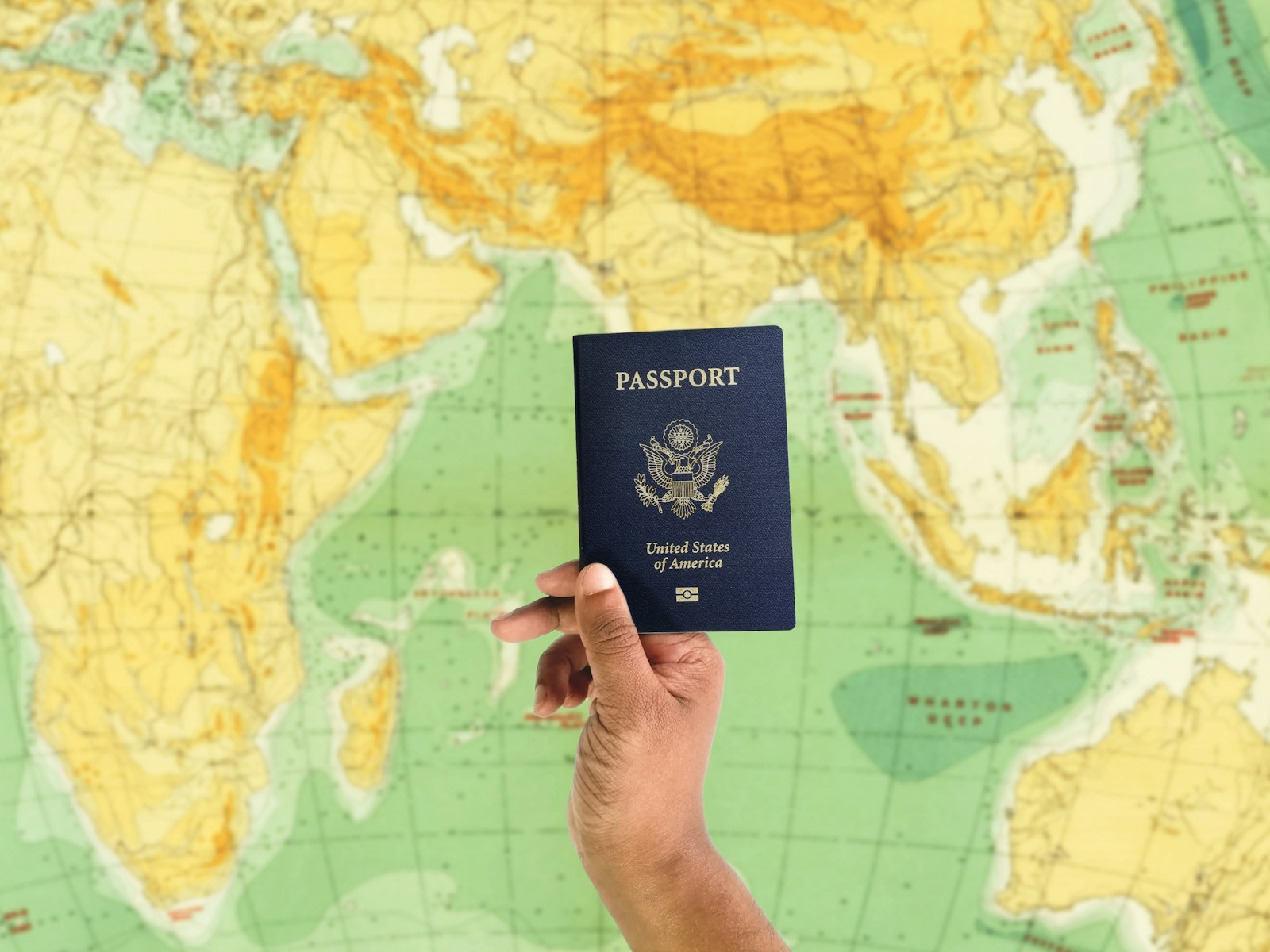
After Winning the DV Lottery: Expect ‑ in Fees and 3‑Month Wait
Learn the exact costs and timing from the moment you get the green light to the day you receive your passport stamp. Most guides skip the hidden medical fees and the interview’s real gate‑keeping tricks.
Which DV Region Offers the Highest Odds? 2024‑2026 Data Revealed
You’ll learn which geographic block actually maximizes your Diversity Visa chances and why most guides inflate those numbers. Most articles ignore per‑country caps, leaving applicants blindsided by false expectations.